

Balut Egg – Why Is It So Highly Praised?
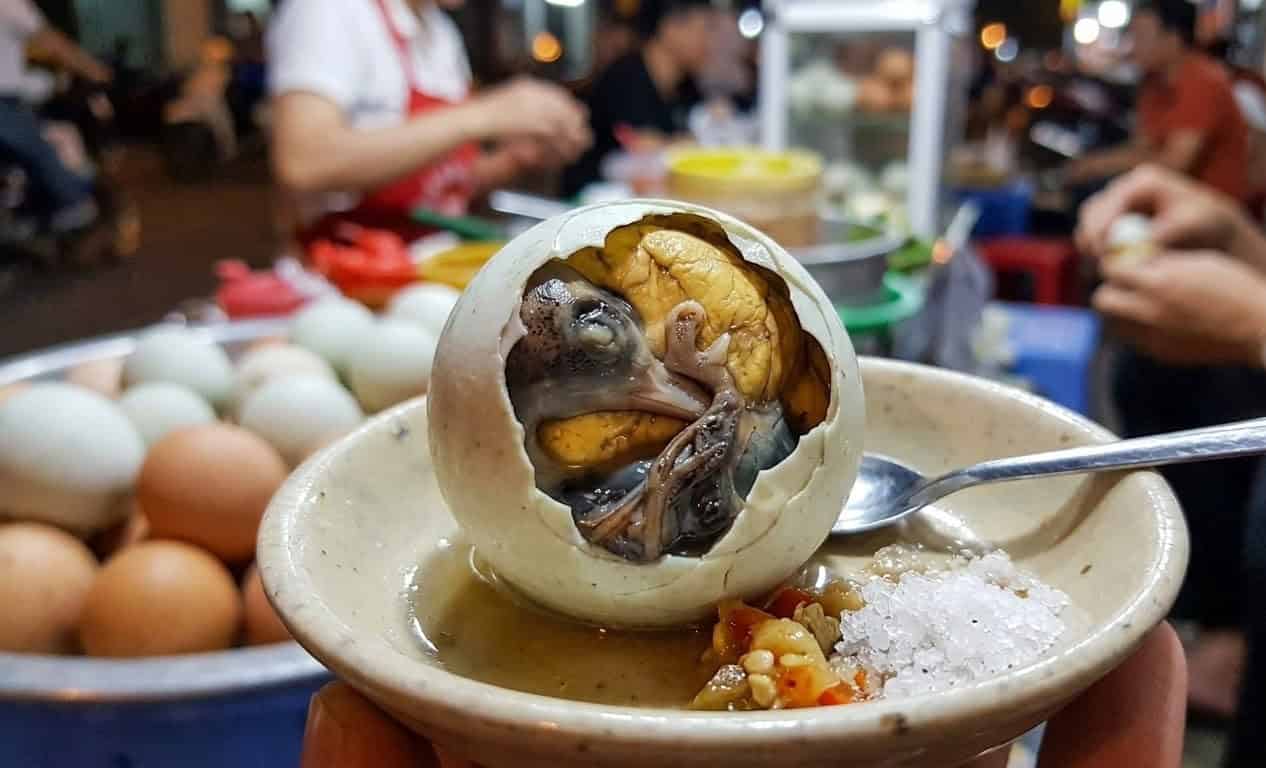
In many parts of the world, there are foods that, when seen from the outside, may seem unusual or even difficult to accept. However, for the communities that have been consuming them for generations, these dishes are considered delicacies and an important part of cultural identity. One well-known example is the balut egg, a traditional food widely consumed in Southeast Asia.
For some people it is a gastronomic curiosity, while for others it represents a symbol of energy and vitality.
Although the idea may seem surprising to many Europeans, balut is often praised for its high nutritional value, rich protein content, and reputation as an energizing food.

What Is a Balut Egg?
Balut is a fertilized duck egg that has been incubated for about 14–21 days before being cooked. During this time, the embryo begins to develop inside the egg. When it is boiled, the result is a preparation with several textures:
- the nutrient-rich liquid inside the egg
- the fatty yolk
- the partially developed embryo
After boiling, the egg is usually eaten directly from the shell. In some regions, people add salt, vinegar, chili, or fish sauce to enhance the flavor.
Balut is often considered street food in many Asian countries and is commonly sold in evening markets or by street vendors.
Foreigner In Romania and in need of a prescription for your chronic treatment?
Contact Dr. Petrache’s Virtual Clinic for any medical issue you encounter while in Romania. Send an email to: [email protected]
Where Balut Is Consumed
Balut is most famous in the Philippines, where it is almost considered a national culinary symbol. It is also widely consumed in:
- Vietnam
- Cambodia
- Laos
- certain regions of China
- parts of Thailand
In Vietnam, the dish is known as “hột vịt lộn”, while in Cambodia it is called “pong tia koun.”
In these cultures, balut is not viewed as strange but rather as a normal nutritious food, much like boiled eggs are in Western countries.
Why It Is Considered a Superfood
The main reason balut is so praised lies in its nutritional composition. Since it is a fertilized egg, it contains nearly all the nutrients required for embryonic development, making it extremely nutrient-dense.
High-Quality Protein
Balut is an excellent source of complete proteins, meaning it contains all essential amino acids. These proteins are important for:
- maintaining muscle mass
- tissue repair
- supporting the immune system
In many Asian communities, balut is recommended for people who perform intense physical work.
Rich in Vitamins
Balut contains several important vitamins:
- vitamin A
- B-complex vitamins
- vitamin B12
- folic acid
These nutrients support the nervous system and the production of red blood cells.
Essential Minerals
Balut is also rich in important minerals such as:
- iron
- phosphorus
- calcium
- zinc
Iron plays a key role in preventing anemia, while zinc supports immune function.
The Myth of Energy and Virility
In many Southeast Asian cultures, balut is believed to boost energy and vitality. There is also a popular belief that it may improve fertility and male virility.
These ideas likely arise from the fact that balut is:
- rich in protein
- calorie-dense
- nutritionally concentrated
A food with these characteristics can indeed provide significant energy, especially for physically active individuals.
However, from a medical perspective, there is no strong scientific evidence that balut directly improves fertility.
How It Is Traditionally Eaten
Eating balut usually follows a simple but specific ritual.
Typically, the egg is:
- boiled for about 20 minutes
- gently cracked at the wider end
- the liquid inside is sipped first
- the rest of the contents are eaten with salt or spices
Many people describe the taste as surprisingly pleasant, often compared to a mix of:
- boiled egg
- rich chicken broth
- tender meat or liver
For locals, the experience is completely ordinary.
Passing through Romania and need a prescription for your chronic treatment?
Contact Dr. Petrache’s Virtual Clinic for any medical issue you encounter while in Romania. Send an email to: [email protected]
Approximate Nutritional Values
One balut egg typically provides approximately:
- 180–200 kcal
- 12–14 g of protein
- 13–15 g of fat
- significant amounts of iron and phosphorus
Compared to a regular chicken egg, balut has greater nutritional density because it also contains embryonic tissues.
Why It Can Be Controversial
For many people in Europe or North America, balut can be difficult to accept for cultural or ethical reasons.
The main reasons include:
- the presence of a partially developed embryo
- cultural differences in the perception of animal foods
- the unfamiliar appearance of the dish
However, in regions where it is traditionally consumed, balut is seen as a normal and practical use of food resources, similar to how other cultures consume organ meats or unusual seafood.
Is Balut Healthy?
From a nutritional standpoint, balut is a nutrient-rich food. However, like any calorie-dense food, it should be eaten in moderation.
Some aspects to consider include:
- relatively high cholesterol content
- fairly high caloric value
- possible microbiological risks if the eggs are not properly cooked
For most healthy individuals, occasional consumption is not considered problematic.
Balut and Global Culinary Curiosity
In recent years, balut has appeared frequently in travel documentaries and culinary shows about world cuisine. Many tourists try it out of curiosity, and the experience is often presented as a culinary challenge.
This phenomenon highlights an interesting reality: what is normal in one culture may appear exotic in another.
Tourist in Romania and in need of a prescription for your chronic treatment?
Contact Dr. Petrache’s Virtual Clinic for any medical issue you encounter while in Romania. Send an email to: [email protected]
Conclusion
The balut egg is widely praised for its high nutritional value and cultural significance in many Southeast Asian countries. Rich in proteins, vitamins, and minerals, it is considered by locals to be an energizing and affordable food.
Although the idea may seem unusual to many people, balut represents a fascinating example of global culinary diversity. Ultimately, our perception of food is strongly shaped by tradition, culture, and culinary habits.
What is a cherished delicacy in one culture may remain a curiosity in another—but these differences are precisely what make the world’s gastronomy so interesting.
Follow us on:
- FaceBook: Diabetes & Nutrition;
- YouTube: Diabetes Facts.


