Durian – A Controversial Fruit
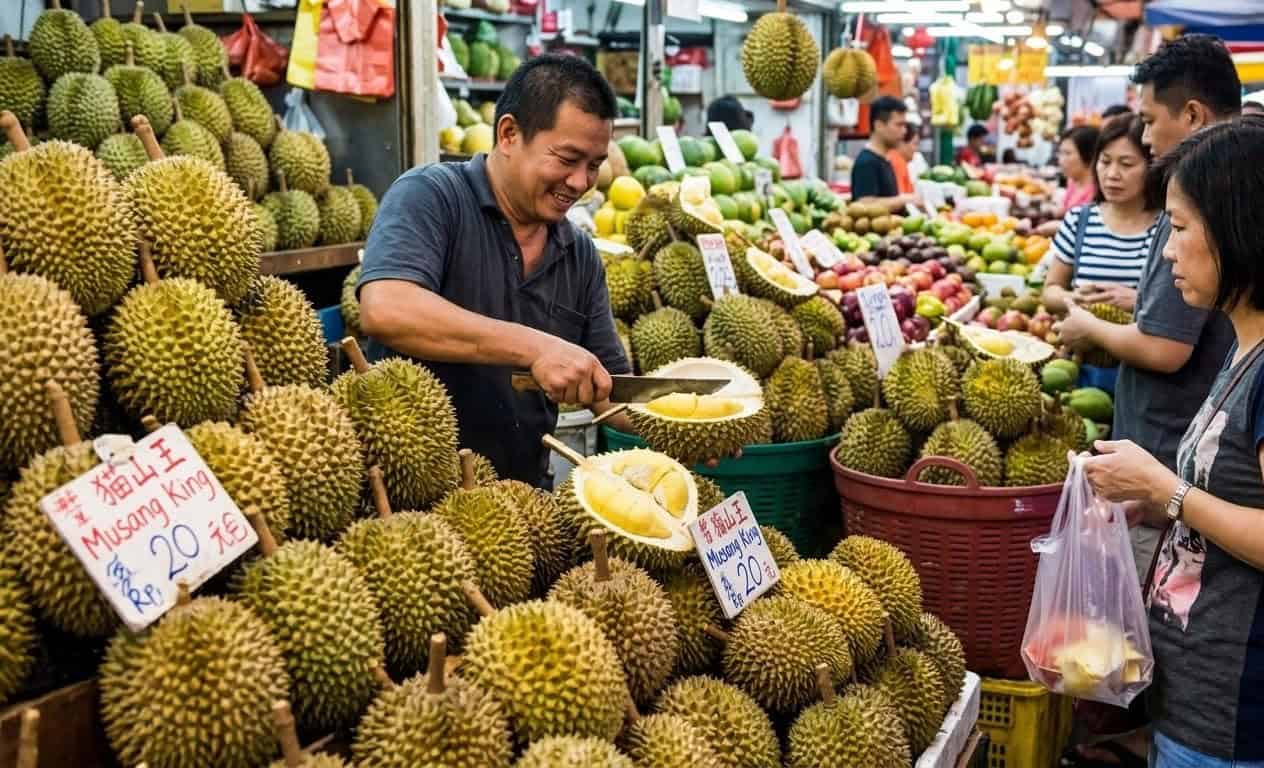
Durian is one of the most fascinating and controversial fruits in the world. For some people it is known as the “king of fruits”, a unique delicacy with a rich flavor and creamy texture. For others, it is almost impossible to tolerate because of its extremely strong smell.
Native to Southeast Asia, durian has been consumed for centuries in countries such as Thailand, Malaysia, Indonesia, and Singapore, where it is considered a local specialty.
In recent decades, however, the fruit has gained global attention, becoming the subject of culinary curiosity, cultural debate, and sometimes even strong reactions from people encountering it for the first time.
In this article we will explore:
- what durian is
- why it is considered controversial
- its nutritional value
- its potential health benefits and risks

Foreigner In Romania and in need of a prescription for your chronic treatment?
Contact Dr. Petrache’s Virtual Clinic for any medical issue you encounter while in Romania. Send an email to: [email protected]
What Is Durian?
Durian comes from the tropical tree Durio zibethinus, which grows in warm and humid regions of Southeast Asia.
The fruit is very easy to recognize due to its unusual appearance:
- it has a thick shell covered with sharp spikes
- it can weigh 2–4 kilograms
- inside it contains segments of soft yellow flesh
The pulp has a very distinctive texture that is often compared to a combination of:
- custard
- soft cheese
- butter
Its taste is complex, rich, and intense, which explains why durian tends to provoke very strong reactions. People usually either love it or strongly dislike it.
Why Is Durian So Controversial?
The main reason for durian’s controversial reputation is its extremely strong smell.
Many people describe the aroma as a mixture of:
- fermented onions
- garlic
- sulfur
- very strong aged cheese
Some individuals even compare the smell to sewage or rotten eggs.
Because of this powerful odor, durian is banned in many public places across Southeast Asia, including:
- hotels
- airports
- public transportation systems
In Singapore, for example, a famous sign showing a durian crossed out indicates that the fruit is not allowed inside certain buildings and on the subway.
Interestingly, people who grow up eating durian often do not perceive the smell as unpleasant. Instead, they consider it part of the fruit’s rich and complex aroma.
Nutritional Value of Durian
Despite its controversial reputation, durian is actually a highly nutritious fruit.
The pulp contains:
- natural carbohydrates
- dietary fiber
- healthy fats
- vitamins and minerals
Important nutrients found in durian include:
- vitamin C
- vitamin B6
- potassium
- magnesium
- iron
- antioxidants
Durian is one of the few fruits that contains a noticeable amount of fat, which contributes to its creamy texture.
Its energy value is higher than most fruits, providing roughly 140–150 kcal per 100 grams.
Possible Health Benefits
When consumed in moderation, durian may offer several potential health benefits.
Support for the Immune System
Due to its vitamin C and antioxidant content, durian may help protect cells against oxidative stress and support immune function.
Digestive Health
The fiber in durian can contribute to:
- maintaining regular bowel movements
- supporting a healthy gut microbiota
A Good Source of Energy
Durian is rich in calories and carbohydrates, making it a quick source of energy. In tropical regions where physical labor is common, it is often consumed as an energizing food.
Passing through Romania and need a prescription for your chronic treatment?
Contact Dr. Petrache’s Virtual Clinic for any medical issue you encounter while in Romania. Send an email to: [email protected]
High Potassium Content
Potassium plays an important role in:
- regulating blood pressure
- supporting normal muscle and nerve function
Durian and Diabetes
For people living with diabetes, durian should be consumed with moderation and attention to portion size.
The fruit contains a significant amount of carbohydrates, which can increase blood glucose levels.
However, its glycemic impact may be somewhat moderated by the presence of fiber and fats that slow carbohydrate absorption.
For individuals with diabetes, it is generally advisable to:
- eat small portions
- consume it occasionally rather than frequently
- combine it with protein or fiber-rich foods
As with many sweet fruits, the quantity consumed makes the difference.
Risks and Precautions
Durian is generally safe for most people, but there are a few considerations.
Combination with Alcohol
In Southeast Asian culture there is a common warning that durian should not be consumed together with alcohol.
Some studies suggest that compounds in durian may interfere with enzymes involved in alcohol metabolism, potentially causing symptoms such as:
- digestive discomfort
- palpitations
- a sensation of excessive warmth
High Caloric Content
Durian is significantly more calorie-dense than most fruits.
When consumed in large amounts, it may contribute to:
- weight gain
- excessive calorie intake
Digestive Discomfort
For some individuals, large quantities of durian may cause:
- bloating
- abdominal discomfort
Why Is Durian Called “The King of Fruits”?
In Southeast Asia, durian is often referred to as the “king of fruits” because of its rich flavor, unique aroma, and cultural importance.
In local markets, durian can sometimes be quite expensive, and rare varieties may command very high prices.
The fruit is used in a wide range of foods and desserts, including:
- ice cream
- cakes
- pastries
- smoothies
For those who appreciate it, durian’s flavor is described as extremely complex, with notes reminiscent of:
- almonds
- caramel
- vanilla
- aged cheese
Tourist in Romania and in need of a prescription for your chronic treatment?
Contact Dr. Petrache’s Virtual Clinic for any medical issue you encounter while in Romania. Send an email to: [email protected]
Conclusion
Durian is undoubtedly one of the most unusual fruits in the world.
Its powerful smell makes it controversial, yet for millions of people in Southeast Asia it is considered a true delicacy.
Nutritionally, durian provides fiber, vitamins, minerals, and antioxidants, but its relatively high calorie and carbohydrate content means it should be consumed in moderation, especially by individuals with diabetes.
Whether loved or avoided, durian remains a fascinating example of the incredible diversity of tropical fruits and culinary traditions around the world.
Follow us on:
- FaceBook: Diabetes & Nutrition;
- YouTube: Diabetes Facts.