

The Microbiome and the Brain – The Invisible Dialogue That Shapes Our Lives
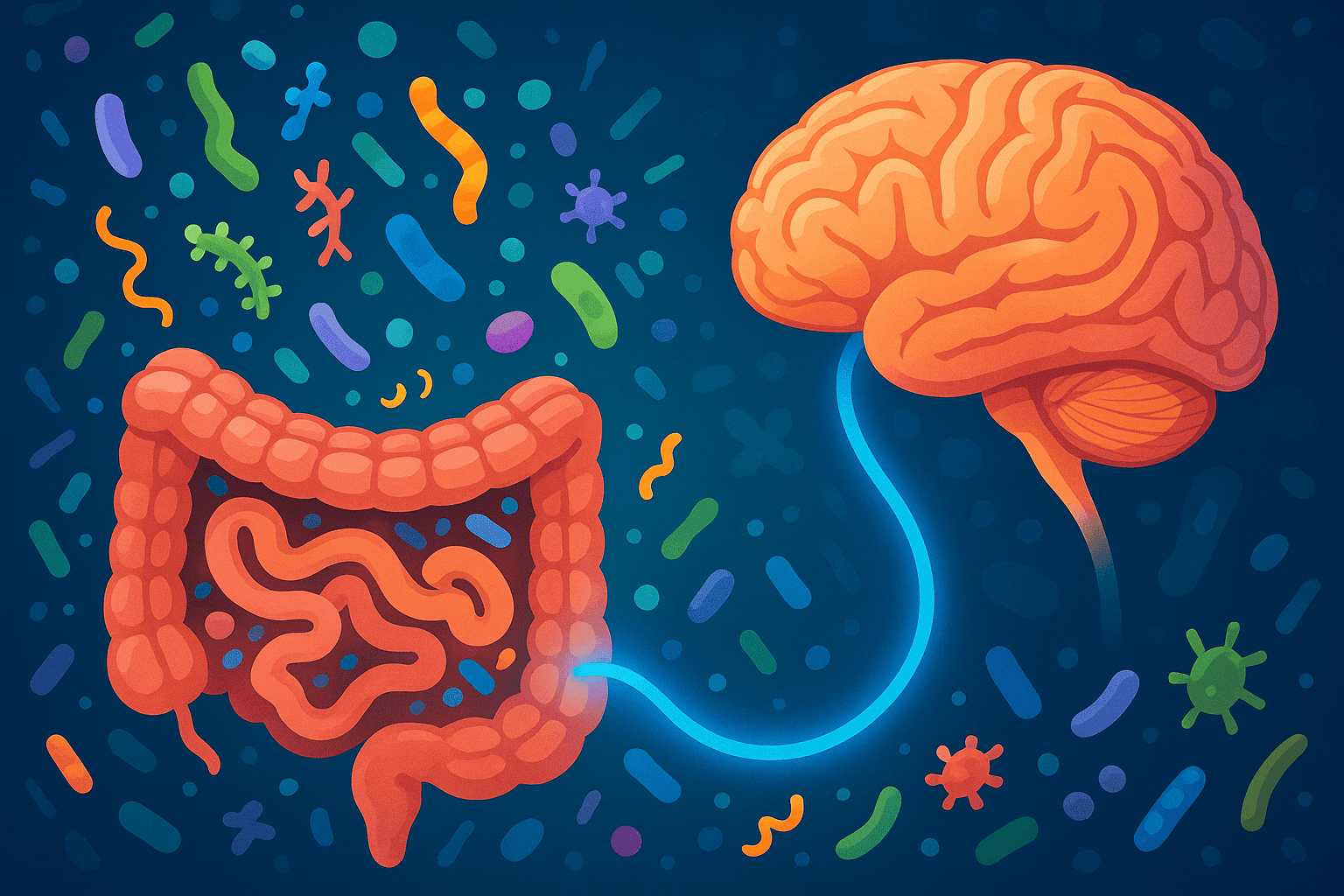
In the past two decades, medical research has brought to light a fascinating discovery: the microbiome, the collection of microorganisms living in our bodies, is not limited to digestion and immunity. It is a true “dialogue partner” of the brain, and this bidirectional communication has major implications for our mental and physical health. The concept of the “second brain” is no longer a metaphor but a scientifically confirmed reality.
The gut–brain axis is the bridge between two systems that seem separate but are deeply interconnected. While it was once believed that only the brain controlled the rest of the body, we now know that the gut also sends powerful signals back to the brain. Thus, the microbiome is not a passive inhabitant but an active player in emotional, cognitive, and metabolic balance.

Foreigner In Romania and in need of a prescription for your chronic treatment?
Contact Dr. Petrache’s Virtual Clinic for any medical issue you encounter while in Romania. Send an email to: [email protected]
What Is the Microbiome?
The microbiome refers to the totality of bacteria, viruses, fungi, and other microorganisms that live in our bodies, especially in the gut. These microorganisms outnumber human cells many times over and form a dynamic ecosystem.
The microbiome begins forming at birth, influenced by delivery mode (natural or C-section), breastfeeding, environmental exposure, and later diet, medications, and lifestyle. Bacterial diversity is the key to a healthy microbiome, while imbalances—called dysbiosis—are linked to many conditions, from digestive disorders to psychiatric and neurological diseases.
Interestingly, each person’s microbiome is unique, much like a fingerprint. This explains why the same diet or medication can have different effects on different individuals.
What Is the Gut–Brain Axis?
The gut–brain axis is the communication network between the central nervous system and the digestive system. It includes several communication channels:
- The vagus nerve, the most important neural pathway.
- The enteric nervous system, a network of millions of neurons in the intestinal wall capable of functioning independently of the brain.
- The immune system, which responds to microbiome signals and regulates systemic inflammation.
- Bioactive molecules, such as neurotransmitters, hormones, and metabolites produced by bacteria.
This axis is bidirectional: the microbiome sends signals to the brain, and the brain, in turn, influences microbiome activity.
How the Microbiome Sends Information to the Brain
The microbiome communicates through chemicals, electrical signals, and immune mechanisms. Main pathways include:
- The vagus nerve: intestinal bacteria stimulate vagal endings, which send signals to brain regions involved in emotion and motivation, such as the amygdala and hypothalamus.
- Neurotransmitters and metabolites: bacteria produce substances like serotonin, dopamine, and GABA. About 90% of the body’s serotonin is in the gut, not the brain. Short-chain fatty acids (butyrate, propionate, acetate) also influence neuronal plasticity and mood.
- Inflammation and the immune system: a balanced microbiome regulates immune responses and prevents chronic inflammation. When disrupted, inflammation can damage the blood–brain barrier, allowing harmful molecules to reach the brain.
These mechanisms explain why the microbiome directly impacts mood, anxiety, concentration, and even cognitive development.
Passing through Romania and need a prescription for your chronic treatment?
Contact Dr. Petrache’s Virtual Clinic for any medical issue you encounter while in Romania. Send an email to: [email protected]
How the Brain Sends Information to the Microbiome
The brain also influences the microbiome through:
- Stress hormones: cortisol released in stress increases intestinal permeability and reduces bacterial diversity, promoting dysbiosis.
- Autonomic nervous system signals: sympathetic and parasympathetic nerves control gut motility and secretions, altering bacterial growth conditions.
- Eating behaviors: the brain decides what we eat, but each dietary choice reshapes the microbiome. Cravings may even be influenced by bacteria “demanding” their preferred nutrients.
This feedback loop means chronic stress, anxiety, or depression can alter the microbiome, while changes in the microbiome can worsen mental symptoms.
Scientific Evidence
The gut–brain link is supported by strong evidence:
- Animal studies: germ-free mice show anxiety and abnormal behaviors, which normalize after fecal transplant.
- Human studies: people with major depression have different microbiomes compared to healthy individuals. Probiotics have reduced depression and anxiety symptoms in some studies.
- Fecal microbiota transplants: patients with irritable bowel syndrome or psychiatric conditions have shown improvement after receiving a healthy microbiome.
These findings strengthen the idea that the gut–brain axis is real and clinically significant.
Links to Neurological and Psychiatric Disorders
A disrupted microbiome has been associated with multiple conditions:
- Depression and anxiety: chronic inflammation and lack of protective bacteria are linked to mood disorders.
- Autism: children with autism often have distinct gut flora. Microbiome interventions may improve gastrointestinal symptoms and some behaviors.
- Parkinson’s disease: patients show specific microbiome changes, and digestive symptoms often precede neurological ones.
- Alzheimer’s disease: inflammation and bacterial toxins may contribute to amyloid plaque accumulation.
While these associations don’t always prove causality, they open new therapeutic possibilities.
The Role of Diet and Lifestyle
Diet and lifestyle directly shape the microbiome:
- Dietary fiber feeds beneficial bacteria and boosts short-chain fatty acid production, essential for brain health.
- Fermented foods like yogurt, kefir, sauerkraut, and kombucha bring friendly bacteria.
- Antibiotics reduce bacterial diversity and should be used cautiously.
- Chronic stress and poor sleep disturb microbiome balance.
- Physical activity supports a more diverse and resilient microbiome.
Thus, healthy eating and lifestyle habits are key to maintaining effective gut–brain communication.
Clinical Implications
Modern medicine is exploring therapies targeting the gut–brain axis:
- Psychobiotics: probiotics and prebiotics with proven mental health benefits.
- Personalized nutrition: tailoring diet to each person’s microbiome.
- Fecal transplants: already used in severe infections, studied for depression and autism.
- Synthetic bacterial molecules: developing drugs that mimic microbiome metabolites.
These approaches suggest that psychiatry and neurology will increasingly integrate microbiome-based therapies.
Future Perspectives
Gut–brain research is just beginning. In the future, it may be possible to diagnose neurological conditions through microbiome analysis or treat them with personalized microbiome therapies. Microbiome medicine could become a cornerstone of healthcare, from mental health prevention to longevity support.
Artificial intelligence will likely help connect microbiome, genetic, and clinical data to design individualized treatments.
Tourist in Romania and in need of a prescription for your chronic treatment?
Contact Dr. Petrache’s Virtual Clinic for any medical issue you encounter while in Romania. Send an email to: [email protected]
Conclusion
The microbiome and the brain are in constant dialogue, and the health of one directly affects the other. Scientific evidence shows that this bidirectional axis plays a crucial role in emotional, cognitive, and metabolic balance.
Through balanced nutrition, stress management, adequate sleep, and microbiome diversity support, we can protect both gut and brain health. Understanding this invisible dialogue offers a new perspective on how body and mind are united in one interdependent system.
Follow us on:
- FaceBook: Diabetes & Nutrition;
- YouTube: Diabetes Facts.


