

Abbott Sensor Recall
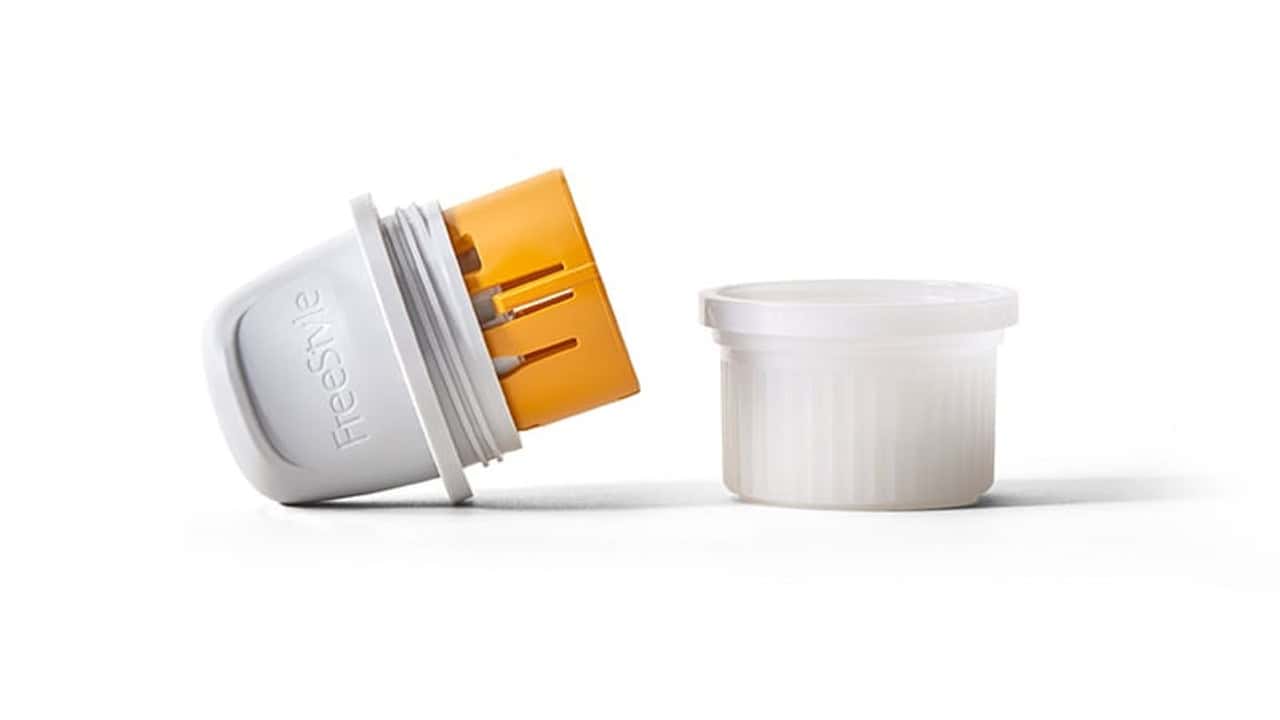

What Happened and What You Need to Know as a Person Living With Diabetes
Continuous glucose monitoring has transformed the lives of people with diabetes. For many patients, glucose sensors have brought freedom, comfort, fewer finger pricks, and a clearer understanding of how the body responds to food, exercise, stress, and treatment. The recent recall of certain Abbott sensor batches has naturally caused concern, as some defective devices were linked to serious incidents.
This article explains the situation calmly and clearly, so you remain informed and safe. The key message is simple: these sensors continue to be excellent medical devices, but like all technologies they must be used thoughtfully, checked periodically, and interpreted in context.
Foreigner In Romania and in need of a prescription for your chronic treatment?
Contact Dr. Petrache’s Virtual Clinic for any medical issue you encounter while in Romania. Send an email to: [email protected]
What Happened With the Recalled Batches
Abbott issued a recall for specific sensor batches after reports of severe incidents associated with inaccurate readings. The main issue was the possibility of falsely low glucose values. When a sensor displays a lower glucose level than the real one, a patient may eat unnecessary carbohydrates or reduce insulin at the wrong time, which can destabilize blood glucose.
The issue did not affect all devices nor all Abbott models—only limited batches produced within a defined time interval. The manufacturer responded quickly, stopped distribution, and provided users with a mechanism to verify their sensor’s serial number and request a free replacement if needed.
This recall is not a failure of the technology itself. In fact, it demonstrates that safety systems are functioning: a problem was identified, isolated, and addressed before reaching more users.
Why CGM Technology Remains an Excellent Solution
Continuous glucose monitoring is one of the greatest advancements in diabetes care. CGM devices do much more than show a single glucose value; they reveal the trend—whether glucose is rising, falling, or stable. This contextual information is often more valuable than the number itself.
The ability to live without constant finger pricks, to understand how foods affect your glucose, and to prevent severe hypo- or hyperglycemia makes CGM technology extraordinary. Most patients feel more free, more confident, and more in control. This is why the recall of a limited batch does not diminish the overwhelming benefits of the system.
Why Differences Sometimes Appear Between the Sensor and a Fingerstick Measurement
All sensors, regardless of manufacturer, measure glucose in the interstitial fluid, not in the blood. Interstitial glucose changes more slowly than blood glucose. Therefore, when your glucose rises or drops rapidly—after intense exercise, during stress, after high-carb meals, or during sleep—the sensor may temporarily display a delayed value. This is not a defect; it is an inherent property of the technology.
Differences may also occur if the sensor is compressed while you sleep, applied on a very mobile area, exposed to extreme temperatures, or if hydration levels fluctuate.
These discrepancies are usually small and transient. Still, they remind us that symptoms, context, and clinical sense remain essential in interpreting any reading.
Passing through Romania and need a prescription for your chronic treatment?
Contact Dr. Petrache’s Virtual Clinic for any medical issue you encounter while in Romania. Send an email to: [email protected]
How to Check Whether Your Sensor Is Affected
Abbott provides a simple verification tool where you can enter the sensor’s code and instantly learn if it belongs to a recalled batch. This process is quick and reassuring.
You should also pay attention to how the sensor behaves. If readings are unusual, vastly different from what you normally expect, or inconsistent with how you feel, it is important to stop relying solely on the sensor and double-check with a capillary glucose test.
What to Do if You Suspect Your Sensor Is Not Working Properly
If a sensor reading seems strange, the first step is to stay calm. Glucose readings can vary for many reasons. Start by checking your blood glucose with a standard glucometer. If the difference is significant and persists, then you can begin to suspect the device.
Context matters enormously. A newly applied sensor, mechanical pressure during sleep, rapid glucose fluctuations, or extreme temperatures can all influence temporary accuracy. But if inconsistencies continue beyond these situations, you should remove the sensor and contact the manufacturer for replacement.
Most importantly, never adjust your insulin dose based solely on a suspicious sensor value. Treatment decisions must rely on accurate measurements and how you feel, not on a device that is behaving inconsistently.
How to Reduce the Risk of Sensor Errors
While not all issues can be prevented, a few simple practices help improve accuracy:
- apply the sensor on a stable recommended area, not on highly mobile muscle
- avoid direct pressure on the sensor, especially during sleep
- wait for the full warm-up period before relying on readings
- protect the sensor from extreme temperatures
- never ignore your symptoms, even when the sensor shows a “normal” value
These small precautions can significantly improve reliability.
Sensors Remain Safe, Effective and Extremely Useful
A limited recall does not change the broader reality: CGM devices are safe, highly regulated, and essential for millions of people. They improve glycemic control, reduce dangerous episodes, and bring a level of freedom that fingerstick monitoring cannot offer. The manufacturer’s quick reaction reflects responsibility, transparency, and a commitment to patient safety.
What We Learn From This Incident
This event also carries an important educational message. It reminds us that technology and patient form a team—but the patient must remain an active participant. Sensors provide information, but interpretation always requires context, symptoms, and understanding of how diabetes works.
It also highlights why diabetes education is vital. A well-informed patient will always know how to evaluate an unusual reading and act appropriately—without panic, but with discernment.
Tourist in Romania and in need of a prescription for your chronic treatment?
Contact Dr. Petrache’s Virtual Clinic for any medical issue you encounter while in Romania. Send an email to: [email protected]
Conclusion: An Excellent Technology, When Used Intelligently
Abbott sensors remain very good devices, reliable and highly useful in the management of diabetes. The recall of several batches should not be a source of fear, but rather a reminder that no medical device is perfect and that a thoughtful, attentive user ensures the highest level of safety.
With regular checks, awareness of the technology’s natural limitations, and correct responses when values appear suspicious, these sensors continue to offer accuracy, freedom, and peace of mind.
Follow us on:
- FaceBook: Diabetes & Nutrition;
- YouTube: Diabetes Facts.


