Did Handwashing Need to Be Invented?
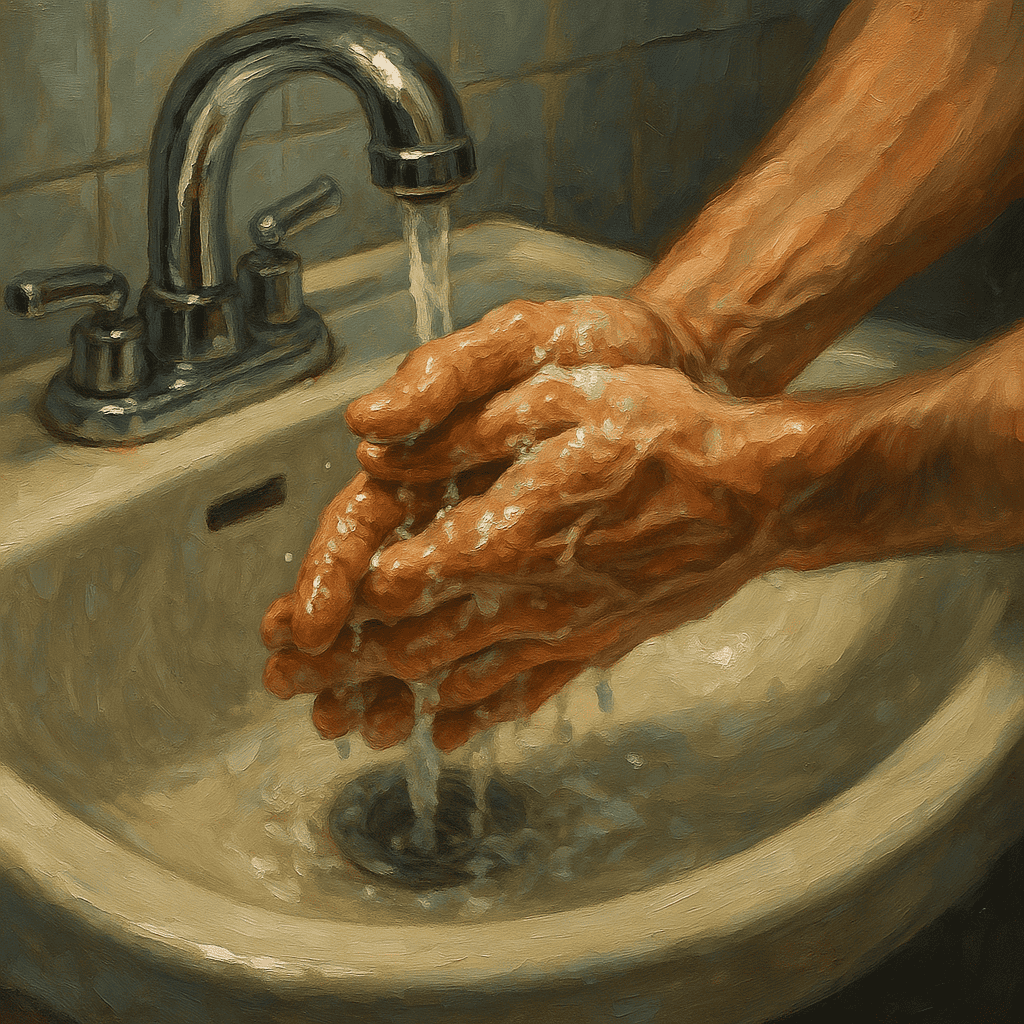

The Incredible Story of Dr. Semmelweis and the Silent Salvation of Millions
Today, handwashing is a routine gesture, taught from childhood. But over 170 years ago, the idea that doctors should wash their hands before touching a patient seemed… absurd. Many considered it unnecessary—or even insulting. In the midst of this medical ignorance, one man dared to see what others refused: Ignaz Semmelweis, a Hungarian doctor who demonstrated that hand hygiene saves lives—at a time when bacteria had not yet been discovered. This is his story—one of brilliance, courage, and tragedy.
Vienna, mid-19th century: one hospital, two wards
In 1846, young Dr. Ignaz Semmelweis was appointed assistant at the Vienna General Hospital, in the obstetrics clinic. The hospital had two maternity wards:
- Ward 1, staffed by physicians and medical students
- Ward 2, staffed by midwives
Although both wards cared for women of similar backgrounds, the difference in maternal mortality was staggering: the doctors’ ward had a mortality rate of around 10%, while the midwives’ ward barely exceeded 2%. Most of these deaths were attributed to a mysterious illness: puerperal fever.
The question that changed everything
Semmelweis was deeply disturbed. He began searching for rational explanations: were midwives gentler? Were the patients different? Could hygiene play a role?
The answer came unexpectedly in 1847, after the death of his close friend, Jakob Kolletschka, a professor who accidentally cut himself during an autopsy and died from a condition strikingly similar to puerperal fever. That’s when Semmelweis realized: what killed the mothers was the same thing that killed Kolletschka—infectious matter from corpses.
A revolutionary hypothesis
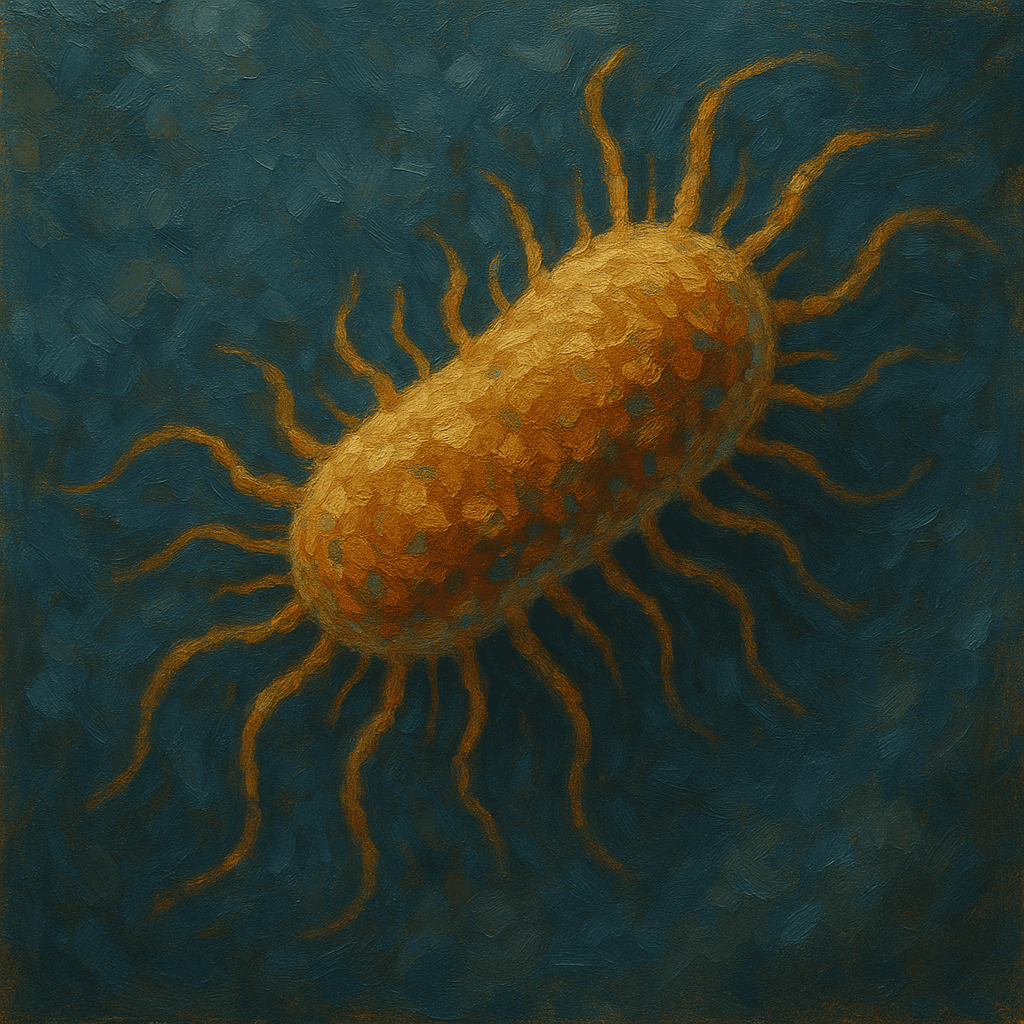
At the time, there was no concept of bacteria or invisible pathogens. The dominant theory was that of “miasma”—disease was thought to result from corrupt air.
Yet Semmelweis followed his logic: medical students performed autopsies in the morning and then delivered babies—without washing their hands. Thus, they were transferring “cadaveric particles” into the women’s birth canals.
The introduction of chlorinated handwashing
In a bold move, in May 1847, Semmelweis mandated that all students and doctors wash their hands with a solution of calcium hypochlorite (bleach) before touching patients. He chose this empirically—chlorine removed the smell from hands, so it seemed effective.
The result? Mortality dropped from 10-12% to under 1% within months. Puerperal fever was virtually eliminated in Ward 1.
Resistance from the medical establishment
Despite overwhelming evidence, Semmelweis’s colleagues refused to believe him. The idea that doctors could be responsible for their patients’ deaths was unthinkable. Many saw his claims as offensive—even immoral. Worse, Semmelweis lacked the diplomatic skills to present his theory gently. He was passionate, accusatory, and intense.
In 1849, his contract wasn’t renewed. He returned to Budapest, where he continued to apply his hygiene methods—with the same success. But the medical world continued to ignore him.
A forgotten death
Semmelweis published his ideas in 1861, but the tone of his writing was bitter, accusatory, almost hostile. He wasn’t a scientific diplomat—he was a disillusioned man. Increasingly isolated and tormented by the rejection of his peers, his mental health deteriorated.
In 1865, he was committed to an asylum, where he died two weeks later from an infection caused by a wound—ironically, the same kind of infection he had fought against his whole life.
Posthumous recognition
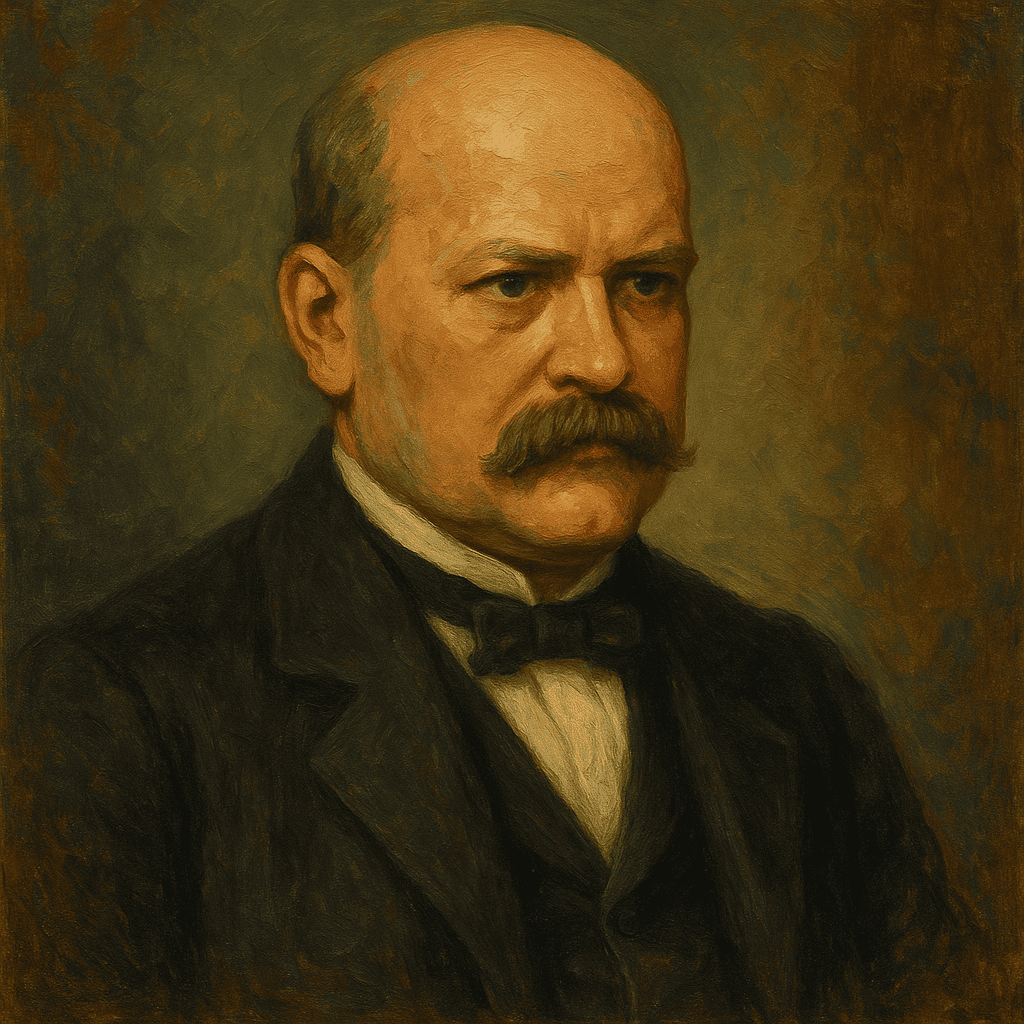
After the discoveries of Louis Pasteur (germ theory) and the introduction of antiseptic surgery by Joseph Lister, Semmelweis’s ideas were rediscovered—and finally validated scientifically.
Today, Ignaz Semmelweis is considered the “father of medical hygiene”, honored around the world through hospitals, streets, statues, and commemorative coins.
So… did handwashing need to be invented?
In a way, yes. People had washed their hands for thousands of years for ritual or practical reasons, but understanding handwashing as a life-saving medical act was a scientific discovery. Before Semmelweis, no one made the connection between dirty hands and maternal death.
Without bacteriology, his idea was intuitive, empirical—but right. Sadly, it took decades and thousands of deaths for medicine to believe him.
Conclusion
The story of Semmelweis is one of the most tragic and enlightening in the history of medicine. A man who saw the truth with the eyes of the mind but was crushed by ignorance and professional pride. Today, handwashing is mandatory in hospitals, schools, and homes—but few know that this simple act was “invented” by a man who never received the recognition he deserved during his lifetime.
Let us never forget that medical progress doesn’t come only from laboratories and microscopes, but also from observation, courage, and empathy.
Follow us on:
- FaceBook: Diabetes & Nutrition;
- YouTube: Diabetes Facts.