Is Eating Fruit at Night a Good Idea?
Fruits are widely regarded as a symbol of healthy eating. They’re colorful, rich in vitamins, fiber, and antioxidants, easy to digest, and accessible. However, one common question arises: is it a good idea to eat fruit at night, especially when it comes to weight management, blood sugar control, and quality sleep? In this article, we explore the myths and truths about eating fruit at night, what science says, what nutritionists recommend, and how to adjust according to individual goals.

What’s in Fruit and How It Affects Metabolism
Fruits contain a combination of simple carbohydrates (glucose, fructose, sucrose), water, soluble and insoluble fiber, vitamins (especially C, A, and B complex), minerals (potassium, magnesium, iron), and a variety of antioxidants. Fructose, a natural sugar, is metabolized in the liver and has a moderate glycemic impact, but when consumed in large amounts, it can contribute to fat accumulation in the liver. The fiber in fruits slows sugar absorption, supports digestion, and prolongs satiety. Fruit consumption stimulates insulin production, depending on each fruit’s glycemic index. In the evening, metabolism slows down, and insulin sensitivity decreases, which is why some specialists recommend more caution with carbohydrate intake after 6:00 PM.
Myths About Eating Fruit at Night
There are several myths surrounding fruit consumption at night. Some of the most common are: fruit turns into fat overnight, is poorly digested in the evening, ferments in the stomach, spikes blood sugar during sleep, or causes bloating. In reality, no food automatically turns into fat just because of the hour it’s eaten. This depends on total caloric intake, meal composition, and physical activity. Fermentation only occurs in cases of digestive dysfunction, and most fruits are digested in 30 to 60 minutes. However, some individuals may experience bloating or discomfort if fruits are eaten immediately after dinner or combined with hard-to-digest foods.
What Science Says About the Best Time to Eat Fruit
Studies show that the health benefits of fruit are consistent regardless of the time of day, as long as they’re part of a balanced diet. However, research suggests that morning and midday are ideal times to consume fruit, due to increased physical activity and higher insulin sensitivity. A study published in The American Journal of Clinical Nutrition found that carbohydrate consumption at night, including fruit, was associated with a slight increase in body fat in sedentary individuals. For physically active people, the difference was not significant. Other studies show that some antioxidants in fruit, such as natural melatonin from tart cherries or tryptophan in bananas, may support sleep when consumed in moderation at least an hour before bedtime.
Fruit and Weight Control: Does Timing Matter?
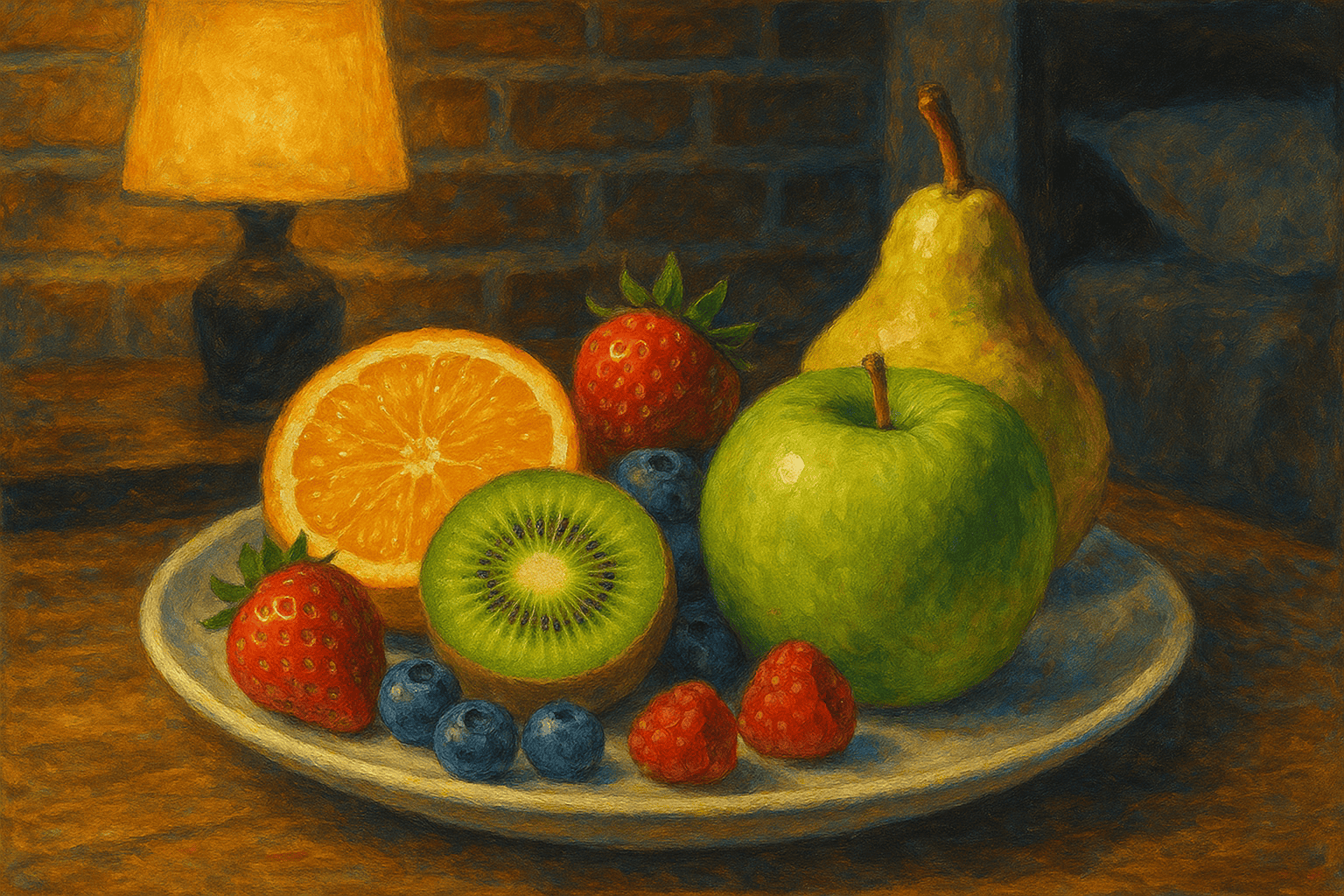
In weight loss, the most important factor is the daily energy balance—calories consumed versus calories burned. If fruit is consumed within a hypocaloric plan, timing is less relevant. However, if it’s added on top of one’s needs, especially in the evening when activity is low, it may contribute to weight gain. Fruits high in sugar and low in fiber, like grapes, mangoes, or melons, should be consumed earlier in the day. On the other hand, apples, pears, berries, or kiwis, which are lower in sugar and higher in fiber, are more appropriate in the evening.
Diabetes and Eating Fruit at Night
For people with diabetes, the timing of fruit consumption is crucial. Generally, it’s advised to avoid eating fruit on an empty stomach or late at night to prevent nocturnal blood sugar fluctuations. Fruits with a low glycemic index and low glycemic load are best, such as cherries, berries, green apples, grapefruit, plums, and pears. It’s recommended to eat fruits in moderate portions, paired with a protein or healthy fat to slow down sugar absorption. For instance, a small apple with a few walnuts or half a pear with Greek yogurt can make for balanced evening snacks.
How Fruit Affects Sleep Quality
Some fruits contain compounds that support the secretion of melatonin and serotonin, two hormones involved in sleep and circadian rhythm regulation. Cherries—especially tart varieties—naturally contain melatonin and have been shown to improve sleep quality in clinical studies. Bananas contain tryptophan, a precursor of serotonin, and magnesium, a mineral with relaxing properties. Kiwi is rich in serotonin and antioxidants that reduce oxidative stress and may support restful sleep. However, overconsumption or eating fruit too late can cause digestive discomfort, so small portions at least one hour before bed are recommended.
Fruits to Avoid in the Evening
Certain fruits are very sweet, high in water, or have laxative or irritating effects that may cause digestive discomfort if consumed at night. These include:
- watermelon and cantaloupe (high in water and sugar)
- mango (very sweet with a high glycemic load)
- pineapple (acidic and potentially irritating)
- grapes (fast sugars, possible fermentation)
- plums in large amounts (laxative effect)
- dried fruits (high in sugar and calories)
These can be consumed occasionally, preferably earlier in the day, or in very small amounts in the evening, depending on individual tolerance.
Best Fruits for Evening Snacks
Some fruits are gentler on digestion and metabolism in the evening, especially when chosen wisely and in moderate portions:
- green apple (rich in fiber, satiating)
- pear (hydrating and easy on the stomach)
- kiwi (supports digestion and sleep)
- blueberries (powerful antioxidant, low GI)
- strawberries (easy to digest, low calorie)
- a few slices of avocado (if counted as fruit, excellent for satiety and sleep)
These can be combined with chia seeds, a few raw almonds, or unsweetened plant-based yogurt for a balanced snack.
Personalized Recommendations Based on Lifestyle
If you have an active lifestyle, work out in the evening, or eat a light dinner, a fruit snack may help replenish energy. If you’re sedentary and already had a heavy dinner, it’s better to skip sweet snacks in the evening. People with acid reflux, irritable bowel syndrome, or intestinal dysbiosis should be cautious with fruit intake at night. Those with insomnia may benefit from kiwi, bananas, or cherries—provided they’re eaten at least an hour before bedtime.
Conclusion: Is Fruit at Night a Good Idea?
The answer is not black and white. Eating fruit at night can be a good idea for some, and a less suitable choice for others. It all depends on:
- personal goals (weight loss, maintenance, blood sugar control, digestion)
- the type of fruit
- quantity and food pairings
- timing relative to bedtime
- lifestyle and physical activity level
A snack that includes a low glycemic index fruit paired with protein or healthy fats can be appropriate even in the evening. The key is balance, listening to your body, and adjusting based on individual metabolic needs. In the end, it’s not the hour that defines whether food is healthy—but the context in which it’s consumed.