Music and Cellular Regeneration

Between Science and Healing Vibrations
Throughout history, music has been seen as a universal language of emotions and a source of healing for the soul. In recent decades, researchers have begun to study its impact on the human body more closely, discovering that sound and vibration can influence not only our mind but also our physiology. One of the emerging ideas is that music may support cellular regeneration. Although the science is still in its early stages, there is evidence that certain sound frequencies can modulate cellular activity, reduce inflammation, and stimulate repair. Moreover, musical frequencies associated with relaxation, calm, and emotional balance create the ideal conditions for the body to heal.
How Cells Respond to Sound
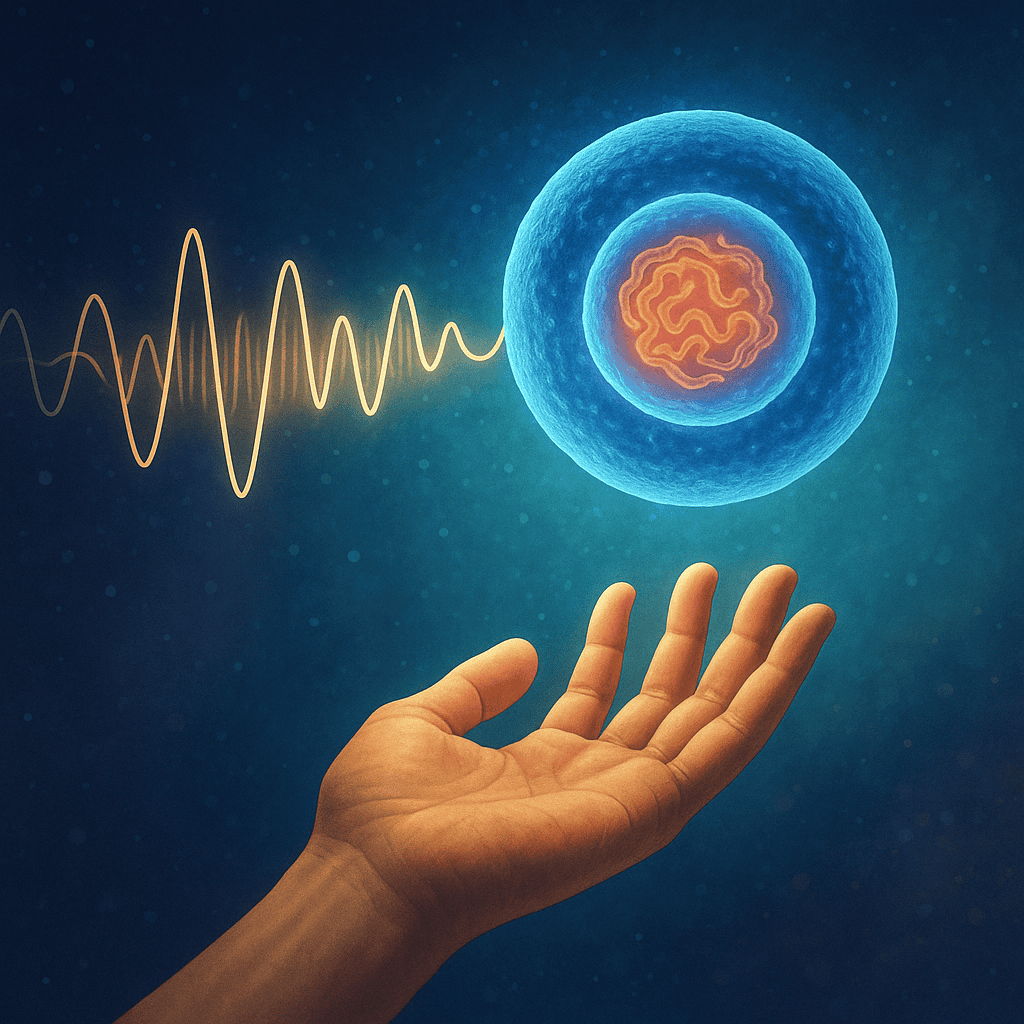
Cells do not “hear” music the way our ears do, but they can perceive mechanical vibrations. These vibrations travel through tissues and fluids, creating micro-movements that can influence the cell membrane, the cytoskeleton, and even gene expression. This process, known as mechanotransduction, allows mechanical forces to be converted into biological responses. Through this mechanism, sound waves can activate cellular signaling pathways that control growth, repair, and functioning. In addition, music indirectly supports cellular health by reducing stress and inflammation through hormonal and neurotransmitter pathways.
Foreigner In Romania and in need of a prescription for your chronic treatment?
Contact Dr. Petrache’s Virtual Clinic for any medical issue you encounter while in Romania. Send an email to: [email protected]
What Scientific Studies Show
Recent studies highlight several ways sound vibrations can support regeneration:
- In orthopedics, low-frequency mechanical vibrations (20–90 Hz) have been shown to stimulate bone and muscle regeneration and are already used in medical rehabilitation devices.
- In stem cell research, exposure to frequencies between 30 and 50 Hz appears to influence how these cells differentiate, suggesting potential applications in regenerative medicine.
- In neurology, slow-tempo music (around 60–70 beats per minute) can induce alpha brain waves, associated with relaxation, reduced cortisol levels, and increased repair capacity.
- In oncology research, preliminary laboratory studies indicate that sound vibrations can alter the metabolism of certain cancer cells, though these findings are not yet applicable in clinical practice.
Frequencies Linked to Cellular Regeneration
Beyond conventional science, complementary practices suggest that specific frequencies may have beneficial effects:
432 Hz – often referred to as the “natural frequency” of the universe, associated with deep relaxation and a sense of harmony with the environment. Many listeners report calmness and balance when exposed to music tuned to 432 Hz.
528 Hz – known as the “frequency of love,” part of the solfeggio scale, and commonly associated with cellular regeneration and DNA repair. While not scientifically proven, it is widely used in meditation and sound healing.
Theta binaural beats (4–8 Hz) – connected with meditation and deep relaxation, encouraging states associated with healing and regeneration.
Delta binaural beats (0.5–4 Hz) – linked to deep sleep, the body’s most important stage for natural cellular repair.
Although these specific claims are not confirmed by rigorous clinical trials, they may indirectly support cellular health by inducing relaxation, lowering oxidative stress, and creating a healing environment.
Music and Stress – The Key to Regeneration
Stress plays a central role in cellular aging and repair. Cortisol, the stress hormone, increases inflammation and accelerates cellular damage. Relaxing music, especially instrumental or classical, has been shown to reduce cortisol levels while increasing endorphins and dopamine — neurotransmitters that support healing. In this way, music does not directly “regenerate” cells but creates the biological conditions that make regeneration possible.
Passing through Romania and need a prescription for your chronic treatment?
Contact Dr. Petrache’s Virtual Clinic for any medical issue you encounter while in Romania. Send an email to: [email protected]
Practical Applications of Music for Cellular Health
To harness the regenerative effects of music, here are some practical tips:
- listen daily to slow-tempo music (30–60 minutes) to promote relaxation
- choose music tuned to 432 Hz or 528 Hz, especially during meditation or rest
- use headphones for binaural beats, as each ear must receive a slightly different frequency
- combine music with deep breathing or yoga to amplify its effects
- play relaxing music before sleep to promote deep, restorative rest, which is essential for cellular repair
Indirect Health Benefits of Music
Beyond potential cellular effects, music also benefits the whole body:
- improves sleep quality, critical for tissue repair
- lowers blood pressure and improves circulation, bringing oxygen and nutrients to cells
- supports mental health by reducing anxiety and depression
- enhances brain plasticity, the ability of the brain to adapt and regenerate
- strengthens immunity by lowering inflammation and boosting antibody production
Science vs. Tradition
Modern science confirms that vibrations and music can influence cellular processes, but it remains cautious about designating specific “healing frequencies.” Meanwhile, traditional and complementary approaches emphasize frequencies such as 432 Hz and 528 Hz as powerful tools for well-being. In truth, both perspectives can complement each other: science validates biological mechanisms like stress reduction and mechanotransduction, while traditions emphasize the emotional and spiritual dimensions of healing. Together, they highlight music as a holistic ally for health.
Tourist in Romania and in need of a prescription for your chronic treatment?
Contact Dr. Petrache’s Virtual Clinic for any medical issue you encounter while in Romania. Send an email to: [email protected]
Conclusion
Music and cellular regeneration is a fascinating field where science and art meet. While there is no proven “miracle frequency” that regenerates cells, research shows that sound vibrations can influence biological processes, mainly through stress reduction and inflammation control. Low-frequency vibrations used in rehabilitation, combined with complementary frequencies such as 432 Hz or 528 Hz, may indirectly support cellular repair. Regardless of mechanism, music remains an accessible, enjoyable resource that supports both body and mind. When paired with quality sleep, proper nutrition, and a balanced lifestyle, music becomes a powerful tool for maintaining and restoring health at the cellular level.
Follow us on:
- FaceBook: Diabetes & Nutrition;
- YouTube: Diabetes Facts.