When Does the Liver Work at Full Capacity?
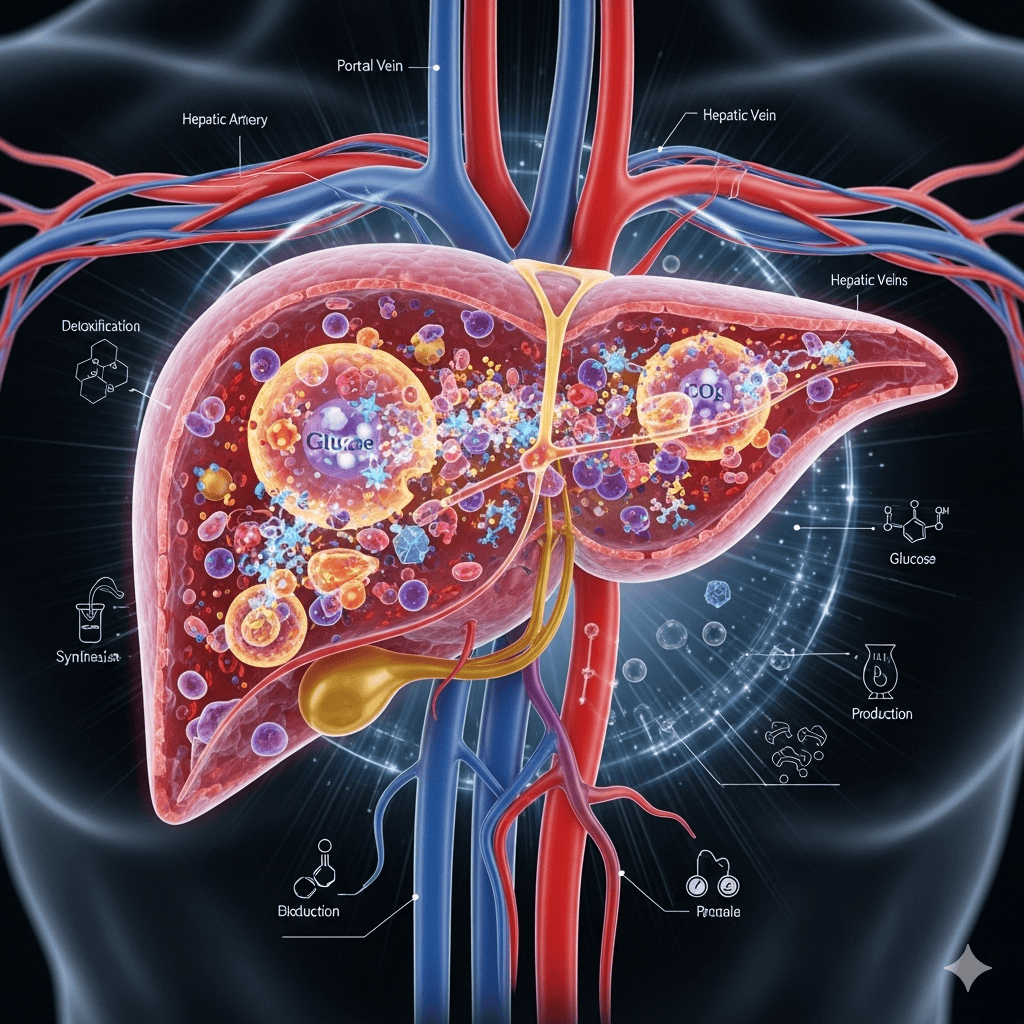

The role of the liver in the human body
The liver is one of the most complex and essential organs in the human body, performing more than 500 different functions that keep us alive and healthy. It acts as a metabolic powerhouse, filtering toxins, storing vitamins and minerals, breaking down nutrients, and producing bile for digestion. Unlike many other organs, the liver has an extraordinary ability to regenerate itself, but this should not be taken for granted. Understanding when the liver functions at its full capacity helps us protect it and adopt habits that allow it to stay efficient.
What functional capacity of the liver means
The functional capacity of the liver refers to its ability to perform all biochemical processes required for maintaining homeostasis. When the liver is healthy, detoxification, protein synthesis, carbohydrate and lipid metabolism, as well as vitamin and mineral regulation all happen seamlessly. If the liver is affected, these processes slow down or become imbalanced, leading to toxin accumulation and metabolic problems. Full capacity means balance, and that depends on nutrition, hydration, lifestyle, and the absence of liver disease.
Foreigner In Romania and in need of a prescription for your chronic treatment?
Contact the Dr. Petrache’s Virtual Clinic for any medical issue you encounter while in Romania. Send an email to: clinica@diabet-si-nutritie.ro
The circadian rhythm and the liver
Like other organs, the liver works according to the circadian rhythm, the natural day-night cycle of the body. Scientific research shows that the liver performs different tasks depending on the time of day. During the night, it focuses more on detoxification and regeneration, using stored energy to cleanse the blood of waste products. During the day, it is more active in processing nutrients from food. This is why restful sleep is critical for liver efficiency. Lack of quality sleep disrupts its circadian rhythm, leaving you fatigued and allowing toxins to accumulate.
Nutrition and its impact on liver function
The liver’s efficiency is deeply influenced by what we eat. Foods rich in antioxidants, fiber, and healthy fats like omega-3 support optimal liver health. In contrast, diets high in refined sugars, processed fats, and alcohol overload the liver and reduce its efficiency. With balanced nutrition, the liver can properly metabolize carbohydrates, convert proteins into amino acids, and process fats into fatty acids and cholesterol needed by the body. An unhealthy diet puts the liver under metabolic stress, preventing it from working at full capacity.
Hydration and liver health
Water is essential for liver function. Proper hydration allows blood to remain fluid, ensuring efficient toxin transport to the liver. When you are dehydrated, the blood becomes thicker, which increases the strain on the liver. Adequate hydration helps the liver metabolize medications, flush toxins, regulate body temperature, and produce bile for fat digestion. Without enough water, these processes slow down, lowering efficiency and contributing to fatigue.
Physical activity and the liver
Regular exercise plays a protective role for the liver. Physical activity helps regulate body weight, improves insulin sensitivity, and prevents fat accumulation in the liver. The liver is central in glucose metabolism, and sedentary behavior contributes to excessive fat storage, leading to nonalcoholic fatty liver disease. By contrast, exercise, even in the form of daily walks, supports liver metabolism and reduces the risk of liver disorders. A liver works at full capacity when the body is active and energy is used efficiently.
Passing through Romania and need a prescription for your chronic treatment?
Contact the Dr. Petrache’s Virtual Clinic for any medical issue you encounter while in Romania. Send an email to: clinica@diabet-si-nutritie.ro
Alcohol consumption and its effects
Alcohol is one of the most damaging substances for the liver. When metabolized, alcohol produces toxic by-products that destroy liver cells and trigger inflammation. While a healthy liver can manage small amounts of alcohol occasionally, frequent or excessive drinking causes lasting harm. Continuous alcohol intake can lead to fatty liver, alcoholic hepatitis, fibrosis, and eventually cirrhosis. To allow the liver to work at its best, alcohol should be limited or avoided altogether. Even moderate intake, when constant, can silently impair liver function over time.
Medications and supplements
The liver is the primary organ responsible for drug metabolism. Overuse or abuse of medications such as painkillers, antibiotics, or certain herbal supplements can seriously damage the liver. Some supplements, when taken in high doses, also stress liver metabolism. That is why it is important to consult your doctor before starting long-term medication or supplementation. The liver works best when it is not forced to break down unnecessary or toxic substances.
Liver diseases and their impact on capacity
Several liver conditions affect its efficiency, including viral hepatitis, nonalcoholic fatty liver disease, fibrosis, cirrhosis, and liver cancer. In the early stages, the liver often compensates, continuing to function relatively well. However, as disease progresses, capacity declines dramatically. Detecting these conditions early through blood tests and imaging allows proper treatment and preserves liver function. Without medical care, the liver may lose its ability to regenerate and maintain metabolic balance.
Liver regeneration
One of the most remarkable features of the liver is its ability to regenerate. Even after losing a significant portion of its tissue, the liver can return to its normal size and functionality if the remaining tissue is healthy. However, regeneration is not unlimited. Constant damage from alcohol, toxins, or infections reduces this capacity. Supporting regeneration requires rest, proper nutrition, and a toxin-free lifestyle. A liver functions at full capacity when it is allowed time and resources to heal.
Signs that the liver is not working at full capacity
It is not always easy to detect when the liver is struggling, as many problems remain silent until advanced stages. However, common warning signs include chronic fatigue, digestive discomfort, bloating, jaundice (yellowing of the skin and eyes), dark urine, and tenderness in the right upper abdomen. Other symptoms include difficulty concentrating, weakened immunity, and irregular sleep. Recognizing these signs early and consulting a doctor can prevent more serious conditions.
How to support your liver
A healthy liver requires conscious care and daily support. Here are some proven ways to help your liver function at its best:
- Eat a balanced diet rich in fruits, vegetables, whole grains, lean proteins, and healthy fats
- Stay hydrated with enough water every day
- Avoid or limit alcohol consumption
- Maintain a healthy body weight
- Exercise regularly
- Avoid unnecessary medication or supplement use
- Have regular blood tests and medical check-ups
- Get quality sleep to support circadian detoxification
These lifestyle choices make a significant difference in keeping the liver at full capacity.
Why the liver’s capacity matters for overall health
The liver is involved in almost every process that keeps the human body alive. From breaking down nutrients to storing energy, from hormone regulation to toxin removal, the liver is central to human health. When it works at full capacity, all other systems—from digestion and immunity to metabolism and brain function—perform better. When its capacity declines, the consequences affect the whole body. Taking care of the liver is, in many ways, taking care of life itself.
Foreigner in Romania and in need of a prescription for your chronic treatment?
Contact the Dr. Petrache’s Virtual Clinic for any medical issue you encounter while in Romania. Send an email to: clinica@diabet-si-nutritie.ro
Conclusion
The liver functions at full capacity when it is supported by healthy nutrition, proper hydration, physical activity, restful sleep, and the absence of harmful substances like alcohol and excessive medications. Its unique ability to regenerate gives us an advantage, but this resilience is not limitless. By understanding how the liver works and respecting its needs, we can preserve its full capacity and ensure a healthier, more energetic life.
Follow us on:
- FaceBook: Diabetes & Nutrition;
- YouTube: Diabetes Facts.