You should eat this everyday
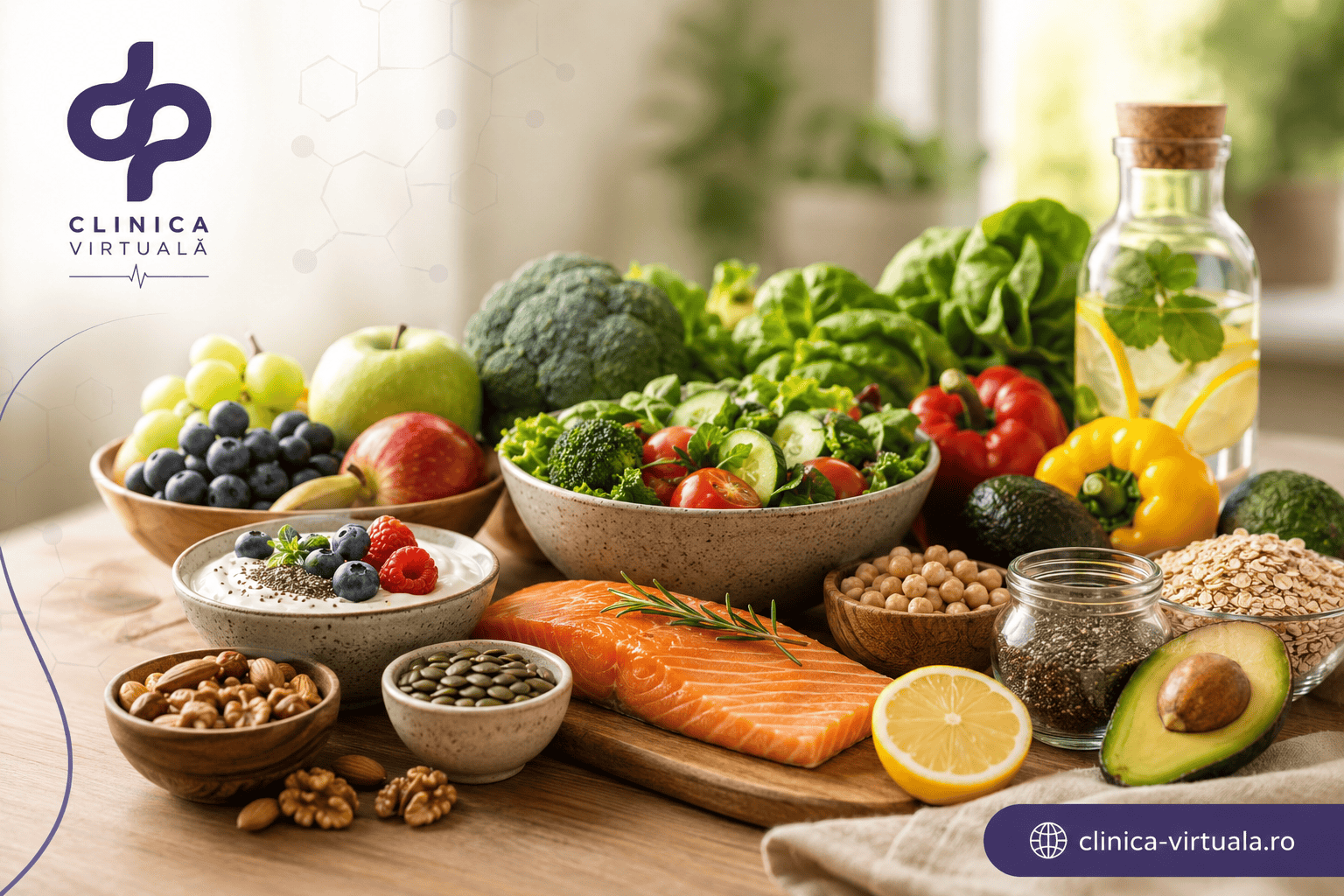
In recent years, more and more dietary rules have appeared promising perfect health, rapid weight loss, or prevention of nearly every disease. Some people say you should eat avocado every day. Others insist on seeds, green smoothies, yogurt, meat, salads, or miracle supplements. In the middle of all these recommendations, many people become confused and no longer understand what a balanced diet actually means.
The truth is that the human body does not need nutritional perfection. There is no single magical food that fixes everything. Instead, there are certain categories of foods that can provide major benefits when they are consistently included in the diet. Not because they are “superfoods,” but because they provide fiber, protein, vitamins, minerals, healthy fats, and help the body function more steadily.
The idea of consuming certain foods daily does not mean obsession, restriction, or impossible diets. It simply means building an eating routine that regularly provides the body with what it truly needs.

Tourist in Romania and in need of a prescription for your chronic treatment?
Contact Dr. Petrache’s Virtual Clinic for any medical issue you encounter while in Romania. Send an email to: clinica@diabet-si-nutritie.ro
Vegetables – Probably the Most Important Foods to Eat Daily
If there were one food category that truly deserves to be part of your everyday diet, it would probably be vegetables.
They do not need to be exotic, expensive, or Instagram-perfect. They do not have to be only kale, asparagus, or avocado. Tomatoes, cucumbers, peppers, onions, broccoli, cauliflower, cabbage, zucchini, and eggplant are also extremely valuable.
Vegetables provide fiber, and fiber strongly influences:
- satiety;
- digestion;
- blood sugar;
- the gut microbiome;
- cholesterol;
- cardiovascular health.
Many people consume far too little fiber. Sometimes meals are based almost entirely on refined carbohydrates, processed foods, and meat, with very little plant intake. Over time, this can affect digestion, body weight, blood glucose, and even inflammation in the body.
Vegetables should not become a punishment. You do not need to eat only boring salads. The way they are prepared matters enormously:
- roasted;
- in soups;
- in stews;
- grilled;
- in rich salads;
- alongside proteins;
- in omelets;
- in savory yogurts;
- in sauces.
Variety is also important. The more types of vegetables you eat, the greater the diversity of fibers and plant compounds your microbiome receives.
Protein – Why Your Body Needs It Every Day
One of the biggest modern mistakes is eating mostly fast carbohydrates with very little protein.
Protein is essential for:
- muscle mass;
- immunity;
- hormones;
- satiety;
- recovery;
- metabolism.
Many people feel constantly hungry not because their “metabolism is broken,” but because their meals are extremely low in protein.
For example, a breakfast made only of pastries, cookies, sugary cereals, or baked goods may quickly lead to hunger and large blood sugar fluctuations.
Meals that include protein generally provide better satiety.
Useful protein sources include:
- eggs;
- Greek yogurt;
- cheese;
- meat;
- fish;
- legumes;
- tofu;
- kefir;
- cottage cheese;
- lentils;
- chickpeas.
You do not need to turn every meal into an extreme high-protein diet. But it is helpful for the body to consistently receive enough protein.
This becomes even more important with age, as muscle mass naturally begins to decline.
Foreigner In Romania and in need of a prescription for your chronic treatment?
Contact Dr. Petrache’s Virtual Clinic for any medical issue you encounter while in Romania. Send an email to: clinica@diabet-si-nutritie.ro
Fruits – Often Unfairly Demonized
One of the biggest modern misconceptions is the idea that fruit is “full of sugar” and should be avoided.
Reality is far more nuanced.
Yes, fruits contain natural sugars. But they also come packaged with:
- fiber;
- water;
- vitamins;
- antioxidants;
- beneficial plant compounds.
The real issue is usually not an apple or a handful of berries. The problem is the overall caloric excess and ultra-processed food consumption.
Fruit can absolutely be part of the diet of people living with diabetes when consumed in balance and monitored appropriately.
Some especially interesting fruits for regular consumption include:
- berries;
- kiwi;
- apples;
- citrus fruits;
- pears;
- plums;
- cherries.
You do not need giant smoothies or fruit juices to be “healthy.” Often, whole fruit is the better choice because it preserves the fiber.
Nuts and Seeds – Small but Extremely Valuable
Many people underestimate how nutritious nuts and seeds can be.
They provide:
- healthy fats;
- fiber;
- minerals;
- protein;
- satiety.
Some excellent choices include:
- walnuts;
- almonds;
- chia seeds;
- flaxseeds;
- pumpkin seeds;
- pistachios;
- hazelnuts.
However, there is an important nuance: they are very calorie-dense.
Just because a food is healthy does not mean it should be consumed without limits. Large portions of nuts and seeds can add a surprising amount of calories.
Moderate portions integrated wisely into the diet are usually more beneficial than eating them excessively simply because they are considered healthy.
Yogurt and Fermented Foods
The gut microbiome has become a major topic in recent years for good reason.
The intestine influences:
- digestion;
- immunity;
- inflammation;
- metabolism;
- hunger signals;
- digestive comfort.
Fermented foods may play a valuable role in nutrition.
These include:
- yogurt;
- kefir;
- cultured dairy drinks;
- fermented pickles;
- kimchi;
- certain aged cheeses.
Not all commercial products are the same. Some yogurts marketed as healthy contain very large amounts of added sugar.
Often, the simpler versions are the best choices.
Fish – A Food Many People Eat Too Rarely
Many modern diets contain very little fish.
Fish can provide:
- protein;
- omega-3 fats;
- satiety;
- important minerals.
Fatty fish such as:
- salmon;
- sardines;
- mackerel;
- herring;
are especially interesting nutritionally.
You do not need to eat fish daily, but including it regularly in your diet may be beneficial.
Foreigner In Romania and in need of a prescription for your chronic treatment?
Contact Dr. Petrache’s Virtual Clinic for any medical issue you encounter while in Romania. Send an email to: clinica@diabet-si-nutritie.ro
Water – Probably the Most Underestimated “Food”
Many people confuse:
- hunger;
- fatigue;
- cravings;
- headaches;
with dehydration.
The body needs water for almost every metabolic process.
Sometimes people drink very little water and consume large amounts of:
- soda;
- energy drinks;
- sugary beverages;
- alcohol.
This can affect body weight, blood sugar, and even energy levels.
Fiber – The Missing Component in Many Modern Diets
When discussing what people should eat daily, the real answer is often: more fiber.
Fiber is found in:
- vegetables;
- fruits;
- legumes;
- seeds;
- whole grains.
It has a major influence on metabolic health.
In many cases, modern processed meals are very high in calories and very low in fiber. This can contribute to:
- rapid hunger;
- constipation;
- blood sugar fluctuations;
- overeating.
Legumes – Among the Most Underrated Foods
Lentils, beans, and chickpeas are nutritionally impressive foods.
They combine:
- fiber;
- protein;
- satiety;
- slower-digesting carbohydrates.
In many traditional cultures, legumes formed the basis of nutrition for centuries.
Today, however, many people rarely consume them and instead rely heavily on processed foods.
Is It Necessary to Eat Perfectly?
No.
This is one of the most important ideas.
Many people develop a toxic relationship with food. They start believing that:
- there are “pure” and “toxic” foods;
- every deviation destroys health;
- they must be perfect at all times.
The reality is that metabolic health is influenced by the overall pattern.
What matters includes:
- what you eat consistently;
- sleep;
- stress;
- physical inactivity;
- total quantity;
- consistency;
- your relationship with food.
One less balanced meal does not destroy someone’s health. The problem appears when an unhealthy pattern becomes the daily routine.
What Happens When the Diet Is Based Mostly on Ultra-Processed Foods
Modern eating habits have changed dramatically.
Many people frequently consume:
- snacks;
- fast food;
- sugary drinks;
- pastries;
- ultra-processed cereals;
- concentrated sweets;
- calorie-dense foods with very little fiber.
These products are often engineered to be hyper-palatable. In other words, they are designed to be difficult to stop eating.
The issue is not only the calorie count, but also the fact that many of these foods provide very little true satiety.
As a result, people may consume large numbers of calories without ever feeling truly nourished.
What a More Balanced Diet Can Look Like
It does not need to be complicated.
Often, simple things work very well:
- a source of protein;
- enough vegetables;
- fiber;
- hydration;
- more mindful portions;
- fewer ultra-processed foods.
For example, a balanced meal might look like:
- fish with vegetables and yogurt;
- an omelet with salad;
- Greek yogurt with fruit and seeds;
- lentils with vegetables;
- meat with plenty of vegetables and a balanced side dish.
Not every meal needs to be Instagram-perfect.
Medical Context Also Matters
Not everyone has the same nutritional needs.
For example:
- diabetes may require important adjustments;
- kidney disease may require limiting certain foods;
- digestive disorders may involve different tolerances;
- pregnancy changes nutritional needs;
- athletes may require higher protein intake.
This is why general recommendations should always be adapted to the individual context.
Passing through Romania and need a prescription for your chronic treatment?
Contact Dr. Petrache’s Virtual Clinic for any medical issue you encounter while in Romania. Send an email to: clinica@diabet-si-nutritie.ro
Why Extreme Diets Often Fail
Many modern diets are based on eliminating entire categories:
- carbohydrates;
- fats;
- fruit;
- gluten;
- dairy;
- or almost any food imaginable.
Sometimes these diets may produce rapid short-term results. But for many people they become impossible to maintain.
Extreme restriction may also lead to:
- binge eating episodes;
- food anxiety;
- an unhealthy relationship with eating;
- yo-yo weight changes.
In general, a diet that can be maintained long-term is more valuable than temporary perfection.
What Probably Deserves a Place in Daily Nutrition
If we simplify things greatly, many people would benefit from:
- more vegetables;
- enough protein;
- fiber;
- whole fruits;
- hydration;
- fewer ultra-processed foods;
- more balanced meals;
- greater consistency.
Not because these things are trendy, but because the human body often functions better when it regularly receives essential nutrients.
Healthy Eating Does Not Need to Be Luxurious
An important point is that balanced eating does not have to be exclusively organic, exotic, or extremely expensive.
Some people believe healthy eating requires:
- expensive powders;
- supplements;
- sophisticated smoothies;
- exotic superfoods.
In reality, simple foods such as:
- eggs;
- yogurt;
- frozen vegetables;
- beans;
- apples;
- cabbage;
- carrots;
- oats;
can absolutely be part of an excellent diet.
Passing through Romania and need a prescription for your chronic treatment?
Contact Dr. Petrache’s Virtual Clinic for any medical issue you encounter while in Romania. Send an email to: clinica@diabet-si-nutritie.ro
Conclusion
The idea that there is one single food you “must” eat every day is overly simplistic. The body needs diversity, balance, and consistency rather than nutritional obsession.
Still, there are several things that deserve to appear frequently in the diet:
- vegetables;
- fiber;
- protein;
- hydration;
- minimally processed foods.
You do not need perfection to improve your diet. Often, small changes repeated consistently matter far more than extreme measures that are impossible to sustain.
Follow us on:
- FaceBook: Diabetes & Nutrition;
- YouTube: Diabetes Facts.