

Cashew is NOT a Nut, Did You Know That?

In the world of healthy eating, there are plenty of misconceptions about fruits, seeds, and nuts. One of the biggest confusions surrounds cashews. Many people believe that this delicious and versatile food is a nut, but the truth is different. Cashew is NOT a nut but a seed with fascinating botanical and nutritional features. In this article, we will explore the history of cashews, their origin, processing, health benefits, and a few surprising facts. The goal is to give you a complete and accurate picture so you can make informed choices in your diet.

The origin of cashews and why they are not nuts
Cashews come from the tree Anacardium occidentale, native to Brazil but now widely cultivated in India, Vietnam, Africa, and other tropical regions. Botanically speaking, what we call a “cashew nut” is actually the seed of this tree’s fruit. The fruit resembles an apple, and it is known as the cashew apple. At its base grows a hard shell that encloses the seed – the cashew itself.
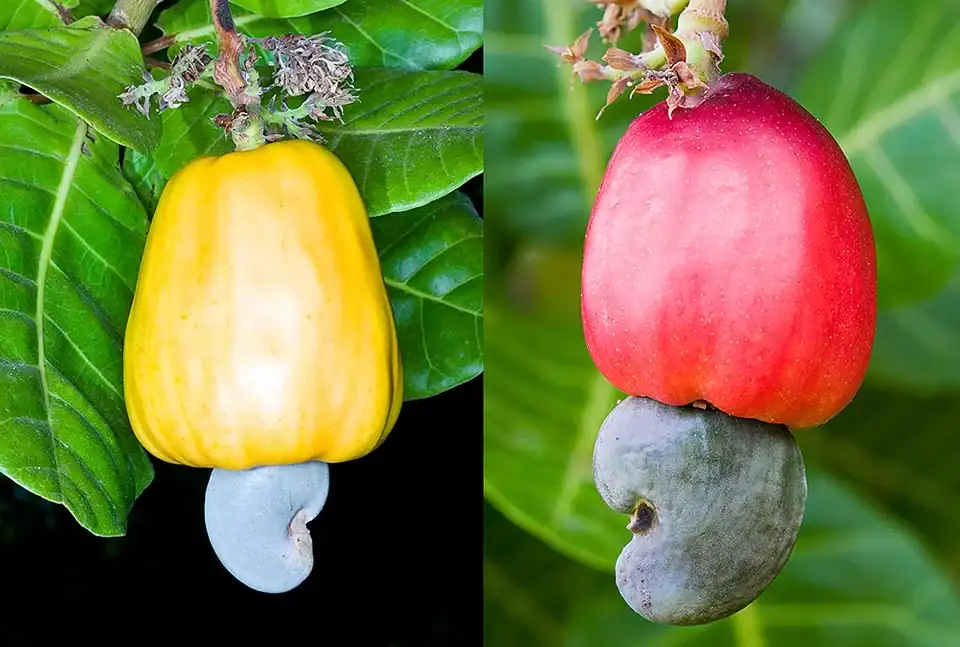
The fundamental difference is that true nuts, like walnuts or Brazil nuts, are dry fruits with a hard woody shell, while cashews are simply seeds extracted from a fruit. This classification matters not only botanically but also for people with allergies, since reactions to cashews differ from those to true nuts.
Foreigner In Romania and in need of a prescription for your chronic treatment?
Contact the Dr. Petrache’s Virtual Clinic for any medical issue you encounter while in Romania. Send an email to: [email protected]
The process of obtaining cashews
Cashews do not naturally appear in the form we see in packages or jars. They go through a labor-intensive process before reaching consumers. The seed is covered by a hard shell that contains a toxic substance called anacardic acid. This substance can cause skin burns and is not edible. That’s why cashews are never sold in their shells, unlike many other nuts.
Processing includes roasting the shells at high temperatures to neutralize irritants, followed by mechanical shelling and drying of the seeds. Afterwards, cashews may be roasted, salted, or turned into derivative products such as cashew butter or cashew milk. This labor makes cashews more expensive than many other seeds or nuts.
Nutritional benefits of cashews
Cashews are highly valued for their balanced nutrient profile. They provide an excellent combination of proteins, healthy fats, and carbohydrates, making them a nourishing and satisfying snack. Key benefits include:
- Proteins: a good source of plant-based proteins, essential for muscle repair and maintenance.
- Healthy fats: rich in monounsaturated and polyunsaturated fatty acids, which support heart health and lower bad cholesterol (LDL).
- Essential minerals: loaded with magnesium, zinc, iron, and copper, vital for energy, immunity, and bone health.
- Vitamins: cashews provide vitamin K, vitamin E, and B vitamins, important for metabolism and cellular protection.
- Antioxidants: compounds that combat oxidative stress, reduce inflammation, and may prevent chronic diseases.
Although calorie-dense, cashews can support weight control because they are filling and help regulate appetite.
Cashews and heart health
Regular cashew consumption is linked with a reduced risk of cardiovascular disease. Healthy fats lower cholesterol and improve blood vessel elasticity. Magnesium also helps regulate blood pressure and heart rhythm. Recent studies suggest that people who include cashews and other seeds in their diets have a lower incidence of heart attacks and strokes.
Passing through Romania and need a prescription for your chronic treatment?
Contact the Dr. Petrache’s Virtual Clinic for any medical issue you encounter while in Romania. Send an email to: [email protected]
Cashews and diabetes
For people with diabetes, cashews can be beneficial. Even though they contain carbohydrates, their glycemic index is low, meaning they don’t cause rapid spikes in blood sugar. The fats and fibers in cashews slow down sugar absorption, helping stabilize blood glucose. However, moderation is key, as overconsumption may add too many calories.
Cashews in vegan and vegetarian diets
Cashews are extremely popular among those following vegan or vegetarian diets. Thanks to their creamy texture, they are used to prepare dairy-free cheeses, white sauces, vegan cream, and even desserts. Cashew butter and cashew milk are healthy alternatives to animal-based products high in saturated fats.
Cashew allergies
Although not true nuts, cashews can trigger severe allergies in some people. Reactions may range from skin irritation to anaphylaxis, a life-threatening condition. That is why individuals with food allergies should consult a doctor before introducing cashews into their diet. Interestingly, cashew allergies can be more common than peanut allergies.
Cashews and sustainability
Cashews also raise questions of sustainability. Their cultivation requires intensive manual labor, and in some countries, workers are underpaid and exposed to toxic substances from the shells. In recent years, more companies have promoted fair-trade and organic cashews to protect both the environment and workers. Choosing certified products helps consumers support fairer trade and responsible farming.
Cashews compared to other seeds and nuts
Although often grouped with almonds, hazelnuts, or pistachios, cashews have unique traits. Compared to almonds, they contain less fiber but more iron. Compared to pistachios, cashews have a creamier texture, ideal for sauces and spreads. Unlike hazelnuts, cashews are less sweet and more neutral in flavor, making them versatile in cooking.
How to include cashews in your diet
Cashews are easy to add to your daily diet. They can be eaten raw or roasted as snacks, added to salads, curries, desserts, or smoothies. They are excellent for creating creamy textures in vegan soups and sauces. Cashews also work well in granola, energy bars, or as bases for cake creams.
A creative way to use them is to soak them overnight and blend into a fine paste that replaces sour cream or milk-based sauces. For those avoiding lactose, cashew milk is a tasty and nutritious alternative.
Fun facts about cashews
- The cashew apple (the fruit) is edible and often made into juices or jams but spoils quickly, so it’s rarely exported.
- India and Vietnam are the world’s largest exporters of cashews.
- In many tropical cultures, the shell of the fruit is used to produce industrial substances such as varnishes and lubricants.
- Cashews were introduced to Africa by the Portuguese, who brought them from Brazil to their colonies.
Foreigner in Romania and in need of a prescription for your chronic treatment?
Contact the Dr. Petrache’s Virtual Clinic for any medical issue you encounter while in Romania. Send an email to: [email protected]
Conclusion
Cashews are unique foods, packed with nutrients and health benefits, but often misunderstood. Although commonly called “cashew nuts,” they are in fact seeds. This distinction matters botanically, medically, and culinarily. Their versatility makes them indispensable in modern cooking, and their popularity continues to grow, especially among vegan and vegetarian diets. By choosing to consume cashews responsibly, we enjoy not only their taste and health benefits but also a positive impact on the environment and the communities that grow them.
Follow us on:
- FaceBook: Diabetes & Nutrition;
- YouTube: Diabetes Facts.


