

Cherries, Watermelon, or Raspberries in Diabetes?
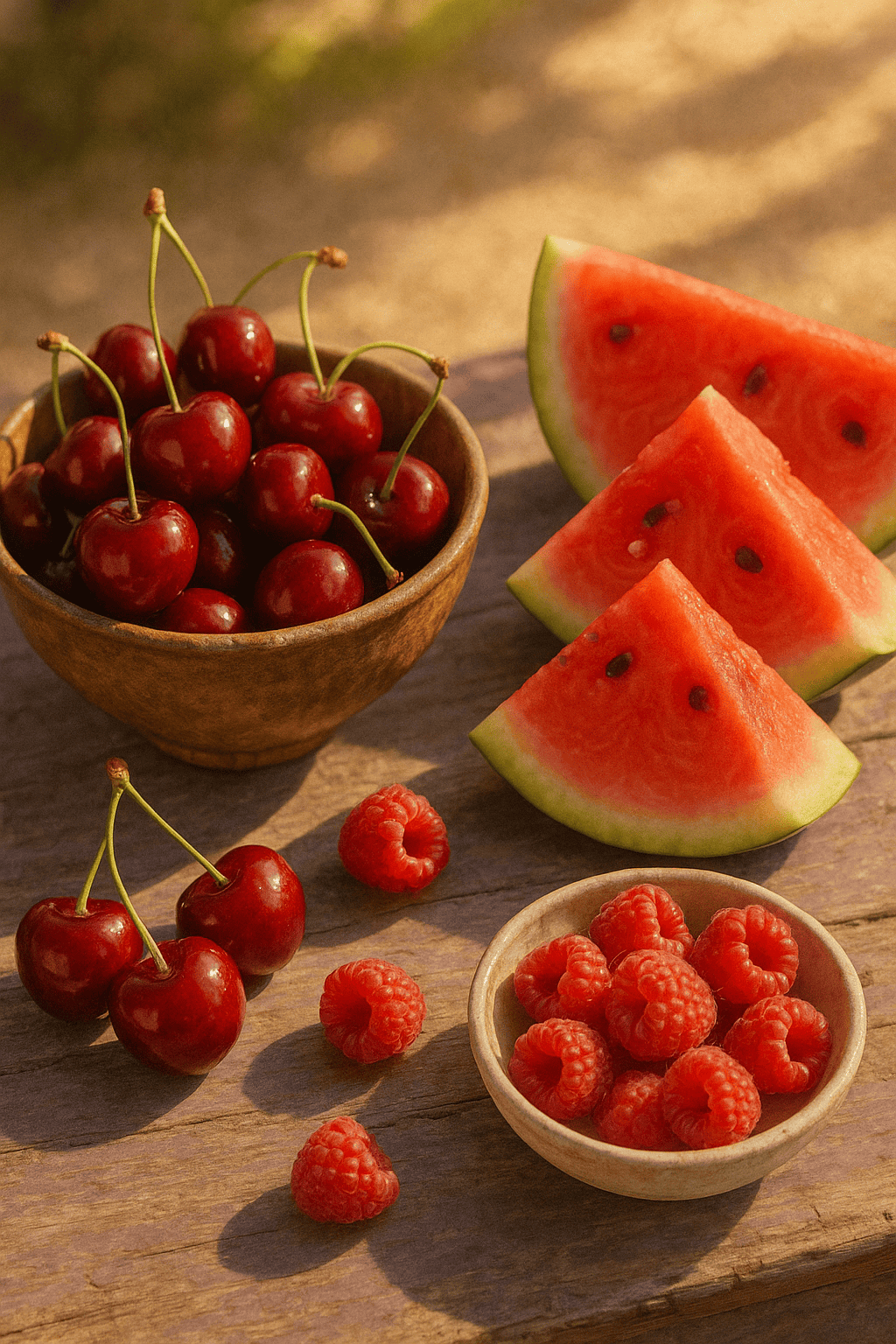
The question of which fruits are suitable for people with diabetes remains a constant topic of discussion, especially during summer when colorful fruits fill markets and baskets. Cherries, watermelon, and raspberries are among the most consumed seasonal fruits, but how do they impact blood glucose levels? Which is the better option for people with diabetes, and what should you avoid? In this article, we’ll analyze the glycemic index, carbohydrate content, and nutritional value of each, so you can make an informed and safe choice.

What Happens When a Diabetic Eats Fruit?
For people with diabetes, the type, quantity, and timing of fruit consumption matter significantly. Fruits contain natural sugars (mainly fructose), fiber, water, vitamins, and antioxidants. However, not all fruits have the same effect on blood sugar. The glycemic index (GI) and glycemic load (GL) are essential indicators when choosing fruits. A lower GI means the fruit raises blood glucose more slowly, providing better control. Likewise, portion size is critical—even a low-GI fruit can spike blood sugar if consumed excessively.
Cherries and Diabetes
Cherries are not only delicious but also rich in anthocyanins—natural pigments with antioxidant and anti-inflammatory properties. One cup (about 150 g) of fresh cherries contains approximately 18 g of carbohydrates and has a glycemic index around 20–22, which is considered low. This makes them suitable for people with diabetes, in moderation.
Cherries have a moderate glycemic load and can even contribute to reducing inflammation, which is beneficial in diabetes. However, be cautious with sour cherry jam or candied cherries, as they often contain added sugars.
Recommended portion for diabetics: 100–150 g fresh cherries, combined with a source of protein or fat (e.g., a few nuts or Greek yogurt) to further slow glucose absorption.
Watermelon and Diabetes
Watermelon is refreshing and hydrating—perfect for hot summer days. It has a very high water content (over 90%), is rich in lycopene and vitamin C, and has few calories. However, it has a high glycemic index, around 70–75. The good news is that its glycemic load is low due to the small amount of carbohydrates per portion.
One portion (about 100 g) of watermelon contains only 7–8 g of carbohydrates, making it acceptable if consumed in small quantities and without other fast carbs at the same meal.
Recommended portion for diabetics: 100–150 g watermelon, eaten with a handful of seeds or nuts, or after a protein-rich meal. Avoid consuming large amounts or in juice form.
Raspberries and Diabetes
Raspberries are some of the most beneficial fruits for people with diabetes. Rich in fiber (especially soluble fiber), antioxidants, vitamin C, and manganese, raspberries have a very low glycemic index (around 25) and a minimal impact on blood sugar.
One portion (100 g) contains only 5 g of sugar and about 6–7 g of fiber, making raspberries almost “perfect” for a diabetic diet. They help slow carbohydrate absorption, balance gut flora, and support insulin sensitivity.
Recommended portion for diabetics: 100–200 g of fresh raspberries, as a snack, dessert, or in smoothies or chia puddings.
Cherries, Watermelon, or Raspberries – Which Is Better?
If we compare the three fruits from a diabetic perspective:
- Best in glycemic control: Raspberries (low GI, high fiber)
- Most hydrating and low-calorie: Watermelon (high GI, but low GL per portion)
- Moderate, delicious, with antioxidants: Cherries (low GI, medium carbs)
So, raspberries win in terms of safety and benefits for people with diabetes. Cherries follow closely, while watermelon should be enjoyed occasionally and in small portions.
How to Combine Fruit to Avoid Glucose Spikes
Regardless of the fruit you choose, the context matters. Here are a few strategies to reduce the glycemic impact:
- Eat fruit after a meal, not on an empty stomach.
- Combine fruit with proteins or fats: nuts, seeds, yogurt, or cottage cheese.
- Avoid fruit juices or purees, even from natural fruit—they are absorbed faster and can spike blood sugar.
- Don’t exceed the portion: 100–150 g is generally safe for most fruits.
- Always monitor your blood sugar, especially if you are using insulin or GLP-1 medications like Mounjaro or Wegovy.
Fruits and Medications Like Mounjaro or Wegovy
People taking medications such as tirzepatide (Mounjaro) or semaglutide (Wegovy) often experience a reduced appetite and slower digestion. This can slightly delay the glucose peak after fruit intake, but doesn’t cancel the glycemic impact. That’s why the choice of fruit remains relevant.
If you are following a treatment to lose weight or balance diabetes, these fruits can be integrated into your plan, but in moderation and under supervision. Talk to your diabetologist or nutritionist to tailor your portions to your medication.
Final Advice from Dr. Petrache
As a diabetes specialist, I recommend:
- Choose raspberries first, for their fiber and antioxidant content.
- Enjoy cherries in season, but don’t overdo it.
- Eat watermelon with care, in limited amounts, and never alone.
- Monitor your blood sugar after fruit consumption if you are unsure how your body reacts.
- Avoid products labeled „sugar-free” but made from concentrated fruit or with hidden carbs.
Nutrition is one of the best tools we have to support metabolic health, and knowing how to integrate fruits correctly into your diet is essential for maintaining balance and pleasure in eating.


