How to Keep Your Heart Healthy
The heart is one of the most remarkable organs in the human body. It beats around 100,000 times a day, pumps blood through an enormous network of vessels, and works continuously from before we are born until the very last moment of life. Yet because it functions constantly and silently, we often forget how deeply the health of the entire body depends on the health of the heart.
Many people imagine that cardiovascular disease appears suddenly, without warning. In reality, most heart problems develop slowly over many years. High blood pressure, elevated blood sugar, abnormal cholesterol levels, sedentary lifestyle, chronic stress, poor sleep, and unbalanced nutrition gradually leave their mark on the blood vessels and the heart itself.
The good news is that the same slow process through which disease develops can also work in our favor. Small changes, repeated consistently, can significantly reduce cardiovascular risk and help the heart remain healthy for a long time.

Tourist in Romania and in need of a prescription for your chronic treatment?
Contact Dr. Petrache’s Virtual Clinic for any medical issue you encounter while in Romania. Send an email to: clinica@diabet-si-nutritie.ro
Why Cardiovascular Disease Is So Common
We live in a time when the human body is constantly exposed to factors that promote inflammation and metabolic stress. We eat faster, sleep less, spend long hours sitting, and are continuously overwhelmed by stress and stimulation.
Modern nutrition is also very different from the way humans evolved to eat. Ultra-processed foods rich in sugar, salt, and poor-quality fats have become extremely accessible. At the same time, natural movement has dramatically decreased. Many people spend almost their entire day between the office chair, the car seat, and the couch.
The heart rarely suffers because of a single factor. Most often, problems develop from a combination of seemingly small issues: a few extra kilograms, mild hypertension, slightly elevated blood sugar, poor sleep, chronic stress, and lack of physical activity. Together, these can accelerate atherosclerosis, meaning the buildup of plaques inside blood vessels.
Nutrition Has a Huge Impact on Heart Health
One of the most important decisions for cardiovascular health is what we choose to place on our plate every day. There is no perfect diet and no magical food capable of “cleaning” the arteries overnight. However, there are eating patterns that clearly protect the heart over time.
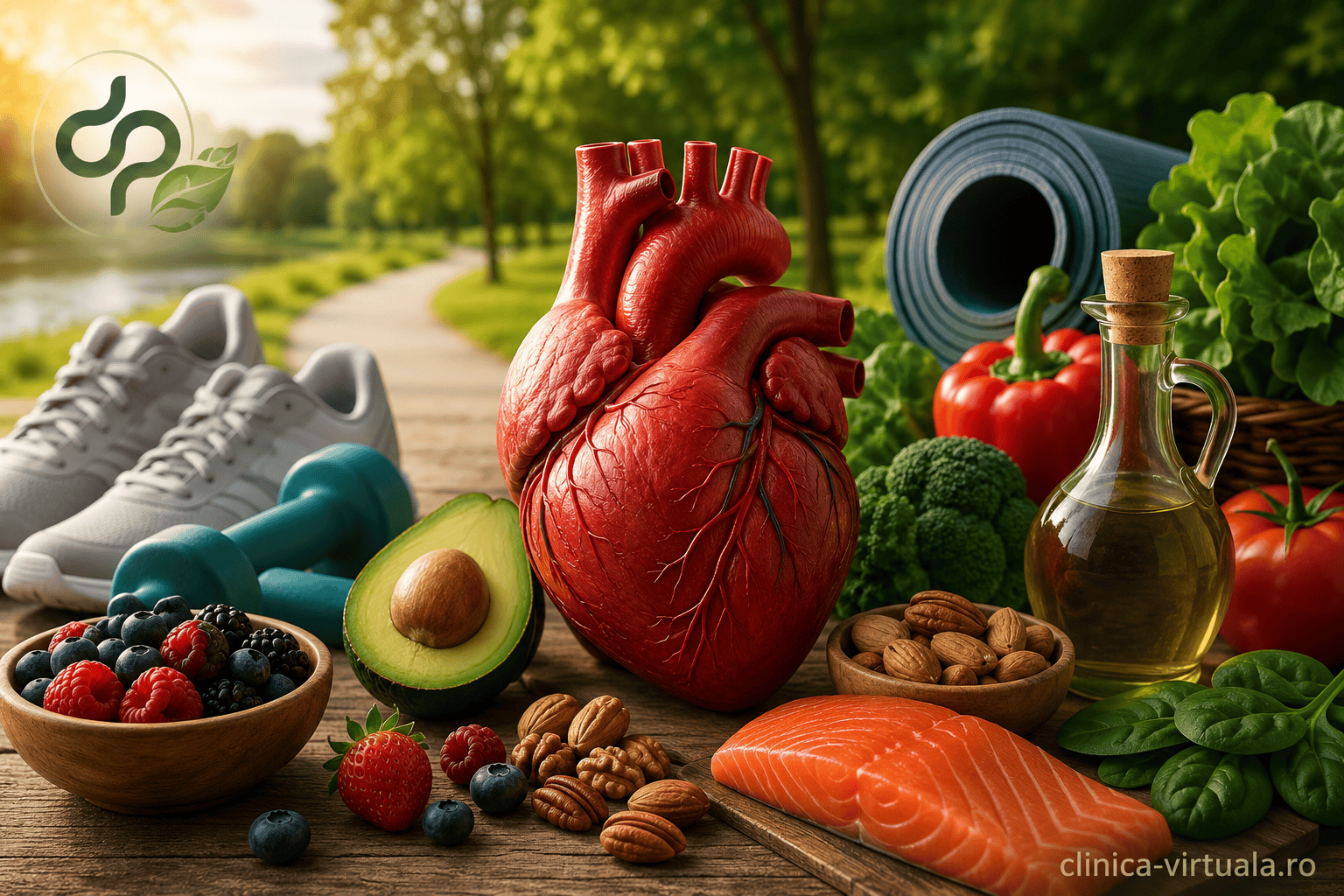
Among the best studied and most appreciated is the Mediterranean diet. It emphasizes vegetables, fruits, fish, olive oil, nuts, seeds, legumes, and whole grains, while limiting ultra-processed foods and excessive eating.
An important aspect is that heart-healthy nutrition does not need to be extreme. Many people give up quickly because they try impossible changes that cannot be maintained. In reality, the body responds very well to moderate but consistent improvements.
For example, simply reducing sugary drinks can have a major impact on blood sugar, body weight, and triglycerides. Increasing fiber intake may help control cholesterol and improve satiety. Choosing healthier fat sources can influence inflammation and vascular health.
Not All Fats Are the Same
For many years, people were taught to fear all types of fat. Today we know things are much more complex.
Some fats may have beneficial effects on the heart, while others, especially in excess, may contribute to cardiovascular disease. Olive oil, avocado, fatty fish, nuts, and seeds contain fats considered more favorable for cardiovascular health.
On the other hand, excessive consumption of ultra-processed foods, fast food, repeatedly heated oils, and foods rich in trans fats can negatively affect blood vessels.
The overall dietary context matters greatly as well. A person who eats a balanced diet most of the time will not damage their heart because of an occasional meal. Problems usually appear when imbalance becomes a daily routine.
Sugar and Excess Calories Can Harm the Heart
When people think about sugar, many associate it only with diabetes. In reality, excessive sugar intake also affects cardiovascular health.
Frequent consumption of sugary beverages and ultra-processed foods can contribute to weight gain, insulin resistance, elevated triglycerides, and inflammation. All of these increase cardiovascular risk.
The issue is not only visible sugar. Many products that appear healthy can contain large amounts of added sugar: breakfast cereals, fruit yogurts, sauces, “fitness” drinks, or packaged pastries.
Chronic excess calorie intake also forces the body into a constant state of metabolic overload. The heart must pump blood through a heavier body, and blood pressure may gradually rise.
Physical Activity Is One of the Best “Medicines” for the Heart
The human body was not designed for inactivity. Regular physical activity can reduce cardiovascular risk, improve insulin sensitivity, lower blood pressure, and help control body weight.
Many people believe they must perform intense exercise to benefit. In reality, consistent walking can dramatically improve cardiovascular health. Even 30–40 minutes of brisk walking daily may provide important long-term benefits.
Movement also affects mental health. Chronic stress can directly impact the cardiovascular system through elevated cortisol and adrenaline levels. Physical activity helps the body manage stress more effectively and may improve sleep quality.
The type of activity matters too. If someone hates the gym, they are unlikely to maintain that habit long term. Dancing, walking, swimming, cycling, or hiking may all be excellent options.
Sleep Matters More Than We Think
For a long time, sleep was underestimated. Today, research clearly shows that lack of sleep can seriously affect both metabolic and cardiovascular health.
Insufficient sleep may influence blood pressure, appetite, blood sugar, and inflammation. People who consistently sleep too little are more likely to develop metabolic and cardiovascular problems.
Sleep quality matters just as much as duration. Some individuals sleep eight hours but still experience fragmented or poor-quality sleep, often due to conditions like sleep apnea.
Obstructive sleep apnea is common and frequently undiagnosed. Loud snoring, breathing pauses during sleep, and severe daytime fatigue may be important warning signs. Untreated sleep apnea can significantly increase cardiovascular risk.
Foreigner In Romania and in need of a prescription for your chronic treatment?
Contact Dr. Petrache’s Virtual Clinic for any medical issue you encounter while in Romania. Send an email to: clinica@diabet-si-nutritie.ro
Chronic Stress Can Affect the Heart
Nutrition and inactivity are not the only factors influencing cardiovascular health. Emotions and psychological stress also have real effects on the body.
During periods of intense stress, the body releases hormones such as cortisol and adrenaline. In the short term, these help the body react. Over the long term, however, they may contribute to hypertension, inflammation, and metabolic disturbances.
Many people live in an almost permanent state of alertness. The body never truly recovers. Fast-paced lifestyles, constant notifications, lack of rest, and ongoing anxiety can affect both the mind and the heart.
Managing stress does not mean perfection or forced positivity. Sometimes it simply means more rest, healthier boundaries, time spent in nature, physical activity, or reducing chronic overload.
Smoking Remains One of the Most Aggressive Risk Factors
Despite all modern health information, smoking remains one of the most significant cardiovascular risk factors.
Cigarettes damage blood vessels, increase inflammation, promote atherosclerosis, and raise the risk of heart attack and stroke. There is no truly “safe” level of smoking for the cardiovascular system.
Many people notice benefits relatively quickly after quitting smoking. Blood pressure and circulation may improve, and cardiovascular risk gradually begins to decrease.
It is also important to understand that nicotine addiction is not simply a matter of willpower. Complex biological and psychological mechanisms are involved, which is why many individuals need real support in order to quit successfully.
Body Weight and Heart Health
Body weight influences cardiovascular health, but the discussion is far more complex than simply looking at kilograms.
Fat distribution matters enormously. Abdominal fat, especially visceral fat, is associated with a higher metabolic and cardiovascular risk.
Not every person with excess weight automatically develops cardiovascular disease, and not every slim person is metabolically healthy. However, significant excess weight can increase the risk of hypertension, diabetes, sleep apnea, and chronic inflammation.
Moderate weight loss may greatly improve blood pressure, blood sugar, and lipid profile. Sometimes even relatively small reductions in weight can meaningfully improve metabolic health.
Medical Monitoring Can Save Lives
One of the greatest challenges with cardiovascular disease is that many conditions may evolve silently for years without obvious symptoms.
Hypertension is often called the “silent killer” because it can damage blood vessels without causing noticeable pain. Elevated cholesterol does not hurt either.
This is why regular medical checkups are extremely important. Simple tests may provide valuable information about cardiovascular risk:
- total cholesterol;
- LDL;
- HDL;
- triglycerides;
- blood glucose;
- HbA1c;
- apolipoprotein B;
- blood pressure;
- kidney function.
Some people avoid testing because they fear the results. In reality, early detection offers the chance to intervene before severe complications appear.
Diabetes and Cardiovascular Health
Diabetes and cardiovascular disease are closely connected. Elevated blood sugar can damage blood vessels and accelerate atherosclerosis.
For this reason, glucose control is important not only to prevent classic diabetic complications, but also to protect the heart.
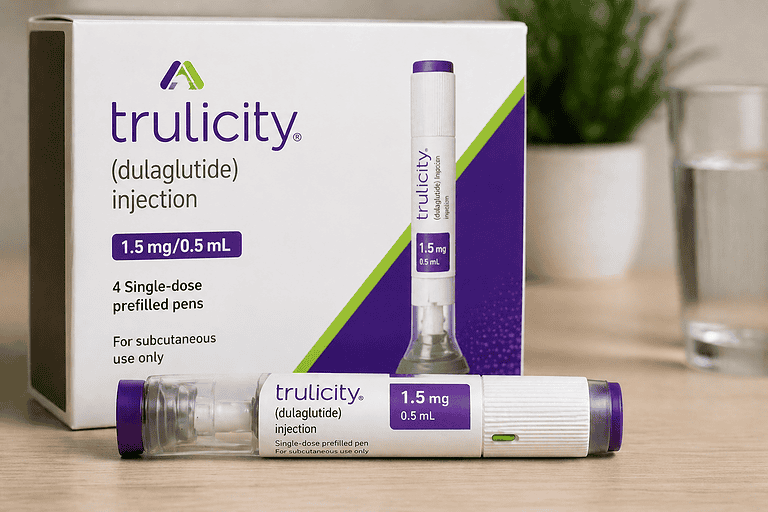
In recent years, modern treatments have emerged that may offer important cardiovascular benefits for certain patients. However, medication works best when combined with lifestyle improvements.
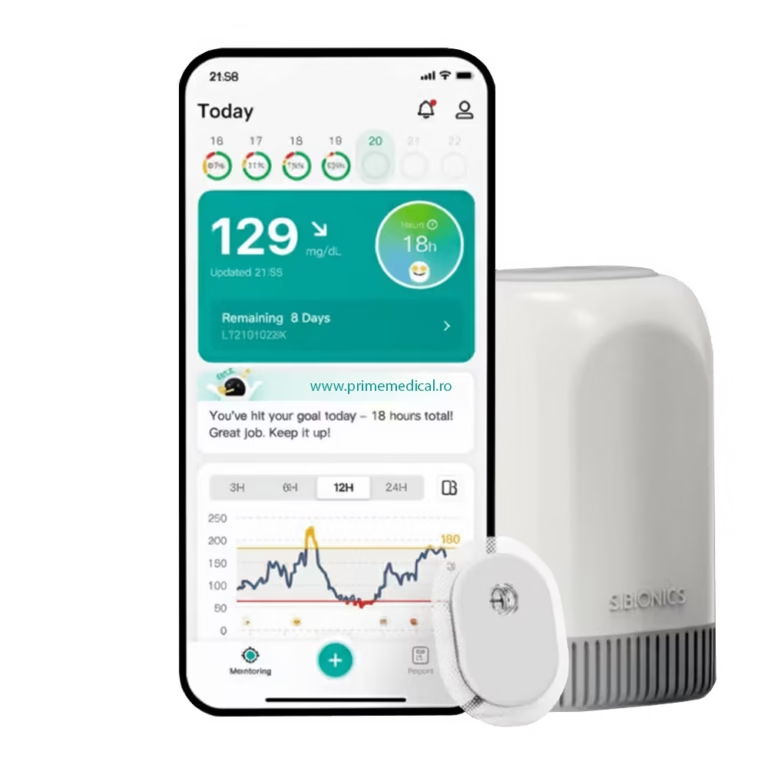
Blood glucose monitoring, balanced nutrition, physical activity, and proper sleep can significantly influence long-term metabolic health.
The Heart Needs Consistency, Not Perfection
One of the most important ideas is that cardiovascular health is not built through extreme measures maintained for a few weeks. It is built through habits repeated consistently for years.
Many people enter a frustrating cycle:
- strict diet;
- exhaustion;
- giving up;
- guilt;
- returning to old habits.
The heart does not need perfection. It needs less metabolic chaos over time.
Sometimes the seemingly small changes matter most:
- more walking;
- fewer sugary drinks;
- better sleep;
- less smoking;
- less stress;
- more balanced meals.
These habits may appear simple, but their cumulative effects can be enormous.
Passing through Romania and need a prescription for your chronic treatment?
Contact Dr. Petrache’s Virtual Clinic for any medical issue you encounter while in Romania. Send an email to: clinica@diabet-si-nutritie.ro
Conclusion
A healthy heart does not depend on one single food, supplement, or miraculous trick. Cardiovascular health is the result of how we live day after day.
Nutrition, movement, sleep, stress, blood sugar, blood pressure, and body weight are all interconnected. The body functions as a whole, and the heart feels every imbalance accumulated over time.
The good news is that the body also has an extraordinary ability to adapt and recover. Even after years of unhealthy habits, consistent changes can bring real benefits.
Prevention often does not look spectacular. It does not produce overnight results and does not come with miraculous promises. But prevention is probably one of the most powerful things we can do for our heart.
Follow us on:
- FaceBook: Diabetes & Nutrition;
- YouTube: Diabetes Facts.