Psychobiotics – the Bacteria That Bring Balance to the Mind

What Are Psychobiotics?
Psychobiotics are a modern medical concept at the crossroads of nutrition, microbiology, and psychiatry. The term refers to probiotics (beneficial live bacteria) and prebiotics (substances that feed good bacteria) that, when taken in appropriate amounts, have beneficial effects on mental health.
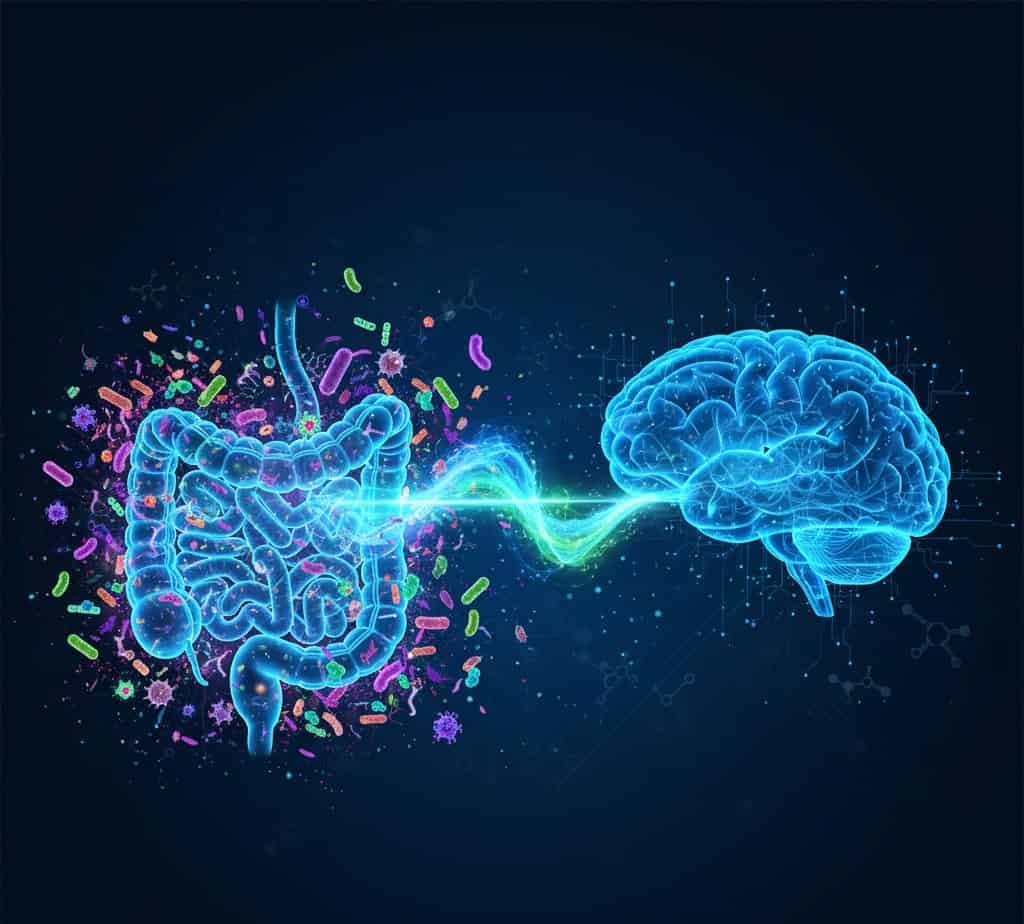
This is not about a “miracle pill” but about a complex approach to the gut–brain axis. This axis represents the constant communication between the gut microbiome and the central nervous system – a bidirectional dialogue that influences emotions, behaviors, and even cognitive functions.
In short: psychobiotics are bacteria or substances that can support a calmer, more balanced, and more resilient mind.
Foreigner In Romania and in need of a prescription for your chronic treatment?
Contact Dr. Petrache’s Virtual Clinic for any medical issue you encounter while in Romania. Send an email to: [email protected]
How the Gut–Brain Axis Works?
To understand psychobiotics, we must first understand how the gut “talks” to the brain.
- The vagus nerve: the main highway transmitting signals from the gut to the brain. Beneficial bacteria can stimulate this nerve, influencing brain regions involved in emotions.
- Neurotransmitters: the microbiome produces substances such as serotonin, dopamine, and GABA, which are essential for well-being. Around 90% of serotonin is synthesized in the gut.
- The immune system: the microbiome regulates inflammation. A healthy gut prevents systemic inflammation, which otherwise can affect the brain and mood.
- The intestinal and blood–brain barriers: good bacteria strengthen these protective walls, preventing toxins and inflammatory molecules from reaching the brain.
Thus, what happens in the gut does not stay only in the gut. It directly influences how we think, feel, and react.
Types of Psychobiotics
Not all probiotics have effects on the mind. Research has identified specific strains and substances with unique impact:
- Lactobacillus rhamnosus – studied for reducing anxiety and depressive behaviors in animals.
- Bifidobacterium longum – improves mood, lowers cortisol, and supports memory.
- Lactobacillus helveticus and Bifidobacterium bifidum – associated with reduced anxiety symptoms in humans.
- Lactobacillus plantarum – supports cognitive function and reduces fatigue.
- Prebiotics (inulin, fructooligosaccharides, galactooligosaccharides) – nourish good bacteria and indirectly boost neurotransmitter production.
Some studies combine multiple strains, achieving better results, suggesting that a diverse microbiome is the key to emotional balance.
Scientific Evidence
Psychobiotics are not just a nice theory. Over the last two decades, research has produced consistent evidence:
- Animal studies: germ-free mice show abnormal behaviors and higher anxiety; after fecal transplant with healthy microbiome, their behavior normalizes.
- Human studies: supplementation with Lactobacillus helveticus and Bifidobacterium longum for 30 days significantly reduced anxiety and perceived stress.
- Biological markers: patients taking psychobiotics showed reduced cortisol levels (the stress hormone) and improved inflammatory profiles.
- Digestive and mental health overlap: patients with irritable bowel syndrome, who often also suffer from anxiety, reported improved quality of life after targeted probiotic therapy.
Although the field is still developing, the general conclusion is that psychobiotics have real potential in supporting mental health.
Passing through Romania and need a prescription for your chronic treatment?
Contact Dr. Petrache’s Virtual Clinic for any medical issue you encounter while in Romania. Send an email to: [email protected]
Psychobiotics and Emotional Disorders
Depression
An imbalanced microbiome is linked with a higher risk of depression. Studies show that supplementation with strains like Bifidobacterium longum may reduce depressive symptoms, especially in mild to moderate cases.
Anxiety
Psychobiotics can regulate the stress axis and reduce nervous system hyperactivity. Patients often report less inner tension and better relaxation capacity.
Burnout
By reducing inflammation and improving sleep quality, psychobiotics can support individuals struggling with chronic exhaustion.
Sleep Disorders
Some probiotics indirectly stimulate melatonin production by increasing tryptophan availability, resulting in deeper, more restorative sleep.
How to Include Psychobiotics in Daily Life
We don’t need to wait for advanced supplements. Psychobiotics already exist in nature, in the form of foods and healthy habits.
- Fermented foods: yogurt, kefir, buttermilk, water kefir, sauerkraut, kimchi, miso, tempeh, kombucha.
- Natural prebiotics: green bananas, asparagus, onions, garlic, leeks, chicory.
- Balanced diets: rich in fiber and quality proteins, low in ultra-processed foods.
- Probiotic supplements: available as capsules or sachets, but effectiveness depends on the strains included – not all probiotics are psychobiotics.
It’s important to note that not every probiotic on the market has psychobiotic effects. Professional guidance is recommended before starting supplementation.
Who Can Benefit
Psychobiotics do not replace conventional treatments for psychiatric conditions, but they can be valuable as adjuncts for:
- people with mild or moderate depression;
- patients with anxiety and panic attacks;
- those facing chronic stress or burnout;
- patients with irritable bowel syndrome and digestive-related anxiety;
- individuals with insomnia or poor sleep;
- anyone seeking natural support for emotional balance.
The Future of Psychobiotics
Psychobiotics mark the beginning of a new medical paradigm. In the future, we may see:
- Personalized supplements: tailored combinations of probiotic strains based on each person’s microbiome profile.
- Microbiome-based diagnostics: gut flora analysis that could indicate risk of depression or anxiety.
- Integrated treatments: combining traditional therapies with microbiome-targeted interventions for better outcomes.
Research is advancing rapidly, and major pharmaceutical companies are already investing in developing next-generation psychobiotics.
Tourist in Romania and in need of a prescription for your chronic treatment?
Contact Dr. Petrache’s Virtual Clinic for any medical issue you encounter while in Romania. Send an email to: [email protected]
Conclusion
Psychobiotics show that the gut and mind are linked through a constant dialogue. Good bacteria in the gut don’t just influence digestion; they also impact emotions, sleep, and resilience to stress.
Although still an emerging field, existing evidence is promising. Psychobiotics may become a cornerstone of prevention and treatment for emotional disorders in the future.
Until then, the best step we can take is to include fermented foods, dietary fiber, and healthy habits in our daily lives. In this way, we nourish not only the body but also the mind.
Follow us on:
- FaceBook: Diabetes & Nutrition;
- YouTube: Diabetes Facts.