

How to help Your Child to Eat Vegetables
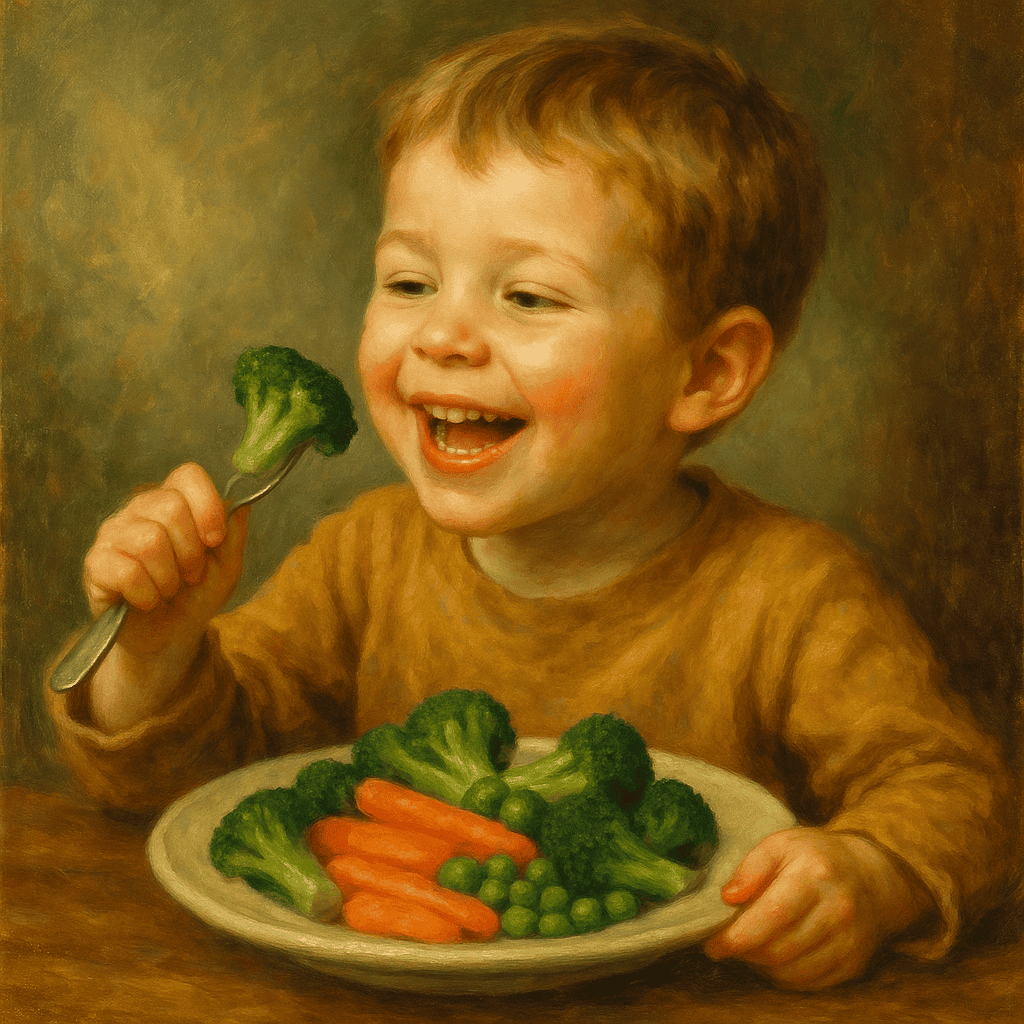
Many parents face the same challenge: their child refuses vegetables. Whether it’s broccoli, carrots, or zucchini, for some kids, these foods seem like “enemy number one.” Yet, vegetables are essential for healthy growth, providing vitamins, minerals, and fiber that support the digestive and immune systems. Here are some gentle and effective strategies to encourage your child to accept – and even enjoy – vegetables.

Lead by Example
Children often imitate their parents. If you enthusiastically enjoy a colorful salad or roasted vegetables, your child will be more tempted to try them. Make mealtime pleasant rather than a negotiation.
Start by adding your favorite vegetables to your plate and speaking positively about them:
“These carrots are so sweet!” or “I love how crunchy this cucumber is.”
Foreigner In Romania and in need of a prescription for your chronic treatment?
Contact the Dr. Petrache’s Virtual Clinic for any medical issue you encounter while in Romania. Send an email to: [email protected]
Involve Your Child in Cooking
A child who participates in cooking is more eager to taste the final result. Invite them to wash vegetables, arrange them on the tray, or decorate their plate creatively.
Examples:
- Let your child pick vegetables at the market.
- Use cookie cutters to make fun shapes from cucumber or zucchini slices.
- Ask them to create a “vegetable flower” plate.
This sense of involvement makes them proud of their contribution.
Turn Vegetables into a Game or Story
Kids love colors and stories. If the plate looks like a rainbow or a character, the temptation to taste it grows.
Fun ideas:
- Create a “rainbow plate” with red bell peppers, carrots, corn, broccoli, and purple cabbage.
- Make a “happy monster” from a baked potato decorated with peas and carrot strips.
- Tell stories like “Carrots help you see in the dark” or “Spinach gives you Popeye power.”
Combine Vegetables with Favorite Foods
If your child strongly refuses vegetables, start by blending them into meals they already love.
Examples:
- Add steamed cauliflower to mashed potatoes.
- Blend carrots and zucchini into tomato pasta sauce.
- Mix finely chopped spinach or carrots into meatballs or burgers.
This helps your child gradually get used to the taste and texture of vegetables.
Passing through Romania and need a prescription for your chronic treatment?
Contact the Dr. Petrache’s Virtual Clinic for any medical issue you encounter while in Romania. Send an email to: [email protected]
Be Patient and Avoid Pressure
Patience is the key to success. Studies show that a child may need to see and taste the same vegetable 8–10 times before accepting it. Avoid turning mealtime into a battle, as negative emotional associations can be stronger than taste.
Instead of saying:
“Eat your broccoli now!”
Try:
“Let’s see how crunchy this broccoli is!” or
“Do you want to dip it in your favorite sauce?”
Exploration without pressure increases the chances of success.
Create Pleasant Mealtime Rituals
A relaxed environment at the table encourages curiosity. Turn off the TV, use colorful plates, and eat together. When meals are associated with joy and connection, kids are more willing to try new foods.
Foreigner in Romania and in need of a prescription for your chronic treatment?
Contact the Dr. Petrache’s Virtual Clinic for any medical issue you encounter while in Romania. Send an email to: [email protected]
Positive Reinforcement
Rewards don’t have to be candy or toys. Praise and encouragement work best. A simple “Great job, you tried a carrot!” or a sticker on a “bravery board” can turn tasting vegetables into a victory.
With patience, creativity, and a playful approach, your child can gradually discover the joy of vegetables. The goal is not just to make them eat, but to help them accept and enjoy vegetables, building lifelong healthy eating habits.
Follow us on:
- FaceBook: Diabetes & Nutrition;
- YouTube: Diabetes Facts.


