

Psychonutrition
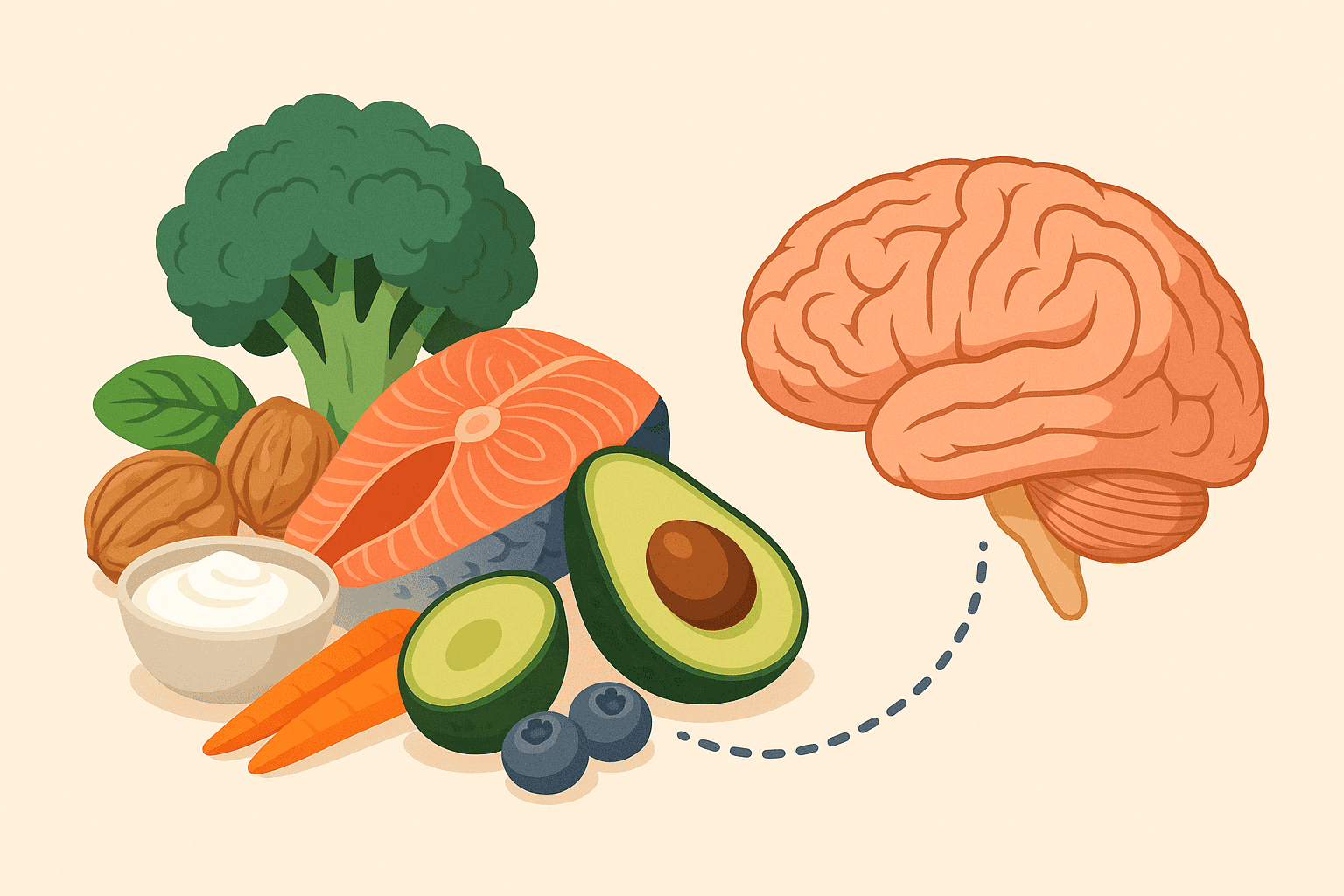

What Is Psychonutrition? – The Invisible Link Between Food and Mind
Psychonutrition is a relatively new field of medical science that combines nutrition and psychology. It starts from a simple yet profound truth: food is not just fuel for the body but nourishment for the mind and soul. Everything we choose to put on our plate directly influences our mental state, and in turn, our emotions and thoughts shape our eating behaviors.
A few decades ago, nutrition was mainly seen as the science of calories and macronutrients. Today, we know its effects go much deeper. Recent research shows clearly that the gut microbiome, neurotransmitters, and stress mechanisms form the bridge between diet and brain function.
Psychonutrition is not only for patients with eating disorders. It is for anyone who wants to optimize mental health, prevent depression, anxiety, or burnout, and live in harmony with their own body.
Foreigner In Romania and in need of a prescription for your chronic treatment?
Contact Dr. Petrache’s Virtual Clinic for any medical issue you encounter while in Romania. Send an email to: [email protected]
Why the Food–Mind Connection Matters?
The connection between mind and body has been acknowledged since Antiquity, but modern science is only now beginning to explain the mechanisms. The gut is often called the “second brain”, because it has its own nervous system – the enteric nervous system – and because it produces a large portion of the neurotransmitters that regulate emotions.
More than 90% of serotonin, the “happiness hormone,” is produced in the gut, not in the brain. This means that what we eat has a direct impact on our emotional balance.
On the other hand, our psychological state influences eating behavior. Stress, anxiety, and sadness can lead to emotional or compulsive eating, while low mental energy can drive choices toward quick, processed, and unhealthy foods.
This creates a vicious cycle: poor diet worsens mental health, and mental health issues lead to even more chaotic eating patterns.
Essential Nutrients for Brain and Emotions
Psychonutrition focuses on food quality and the nutrients that support optimal brain function.
- Omega-3 fatty acids: found in fish, flaxseeds, walnuts, and algae; they reduce inflammation and support neuronal connections. Deficiency is linked to a higher risk of depression.
- B vitamins: B6, B9 (folate), and B12 are essential for synthesizing serotonin and dopamine. Lack of these vitamins may cause fatigue, irritability, and memory issues.
- Magnesium: often called the “anti-stress mineral,” it regulates sleep, anxiety, and relaxation responses.
- Tryptophan: an amino acid found in dairy, eggs, turkey, and nuts, it is a precursor of serotonin. Low tryptophan diets are linked to depressive states.
- Dietary fiber: supports the gut microbiome, which influences neurotransmitter production.
Conversely, excessive intake of refined sugar, sodas, and ultra-processed foods promotes inflammation and disrupts neurotransmitter activity, increasing risks of anxiety and chronic fatigue.
How the Mind Influences Eating
The connection is bidirectional. Emotions and thoughts play a major role in eating behaviors.
- Stress activates cortisol and adrenaline, increasing cravings for sugary, fatty foods that provide quick emotional relief.
- Anxiety often leads to compulsive eating, since sweet foods temporarily raise serotonin.
- Depression may reduce appetite and motivation to choose healthy foods, leading to nutritional deficiencies that worsen mental states.
- Learned habits: many people associate food with rewards or comfort since childhood, and these patterns persist into adulthood.
Psychonutrition helps patients recognize these mechanisms and reshape their relationship with food.
Passing through Romania and need a prescription for your chronic treatment?
Contact Dr. Petrache’s Virtual Clinic for any medical issue you encounter while in Romania. Send an email to: [email protected]
Mindful Eating
A central concept in psychonutrition is mindful eating, or eating with awareness and without rush. Instead of eating automatically, in front of a screen, mindful eating means:
- savoring each bite;
- listening to hunger and satiety cues;
- noticing emotions that trigger eating;
- slowing down to allow the brain to register fullness.
Studies show that patients who practice mindful eating reduce compulsive eating episodes and lose weight more effectively, without frustration.
Psychonutrition and Emotional Disorders
The link between food and mental health is supported by strong evidence.
- Depression: diets rich in whole foods, fish, and vegetables are associated with lower risk of depression. Nutritional interventions can complement classical treatments, enhancing the effects of antidepressants.
- Anxiety: reducing caffeine and sugar, alongside adequate magnesium and omega-3 intake, may ease symptoms.
- Burnout: balanced diets rich in B vitamins and quality protein help restore energy and reduce chronic fatigue.
- Sleep disorders: foods high in tryptophan and magnesium support melatonin secretion and improve sleep quality.
Psychonutrition and Eating Disorders
Beyond depression and anxiety, psychonutrition plays a vital role in eating disorders. In anorexia, bulimia, or binge eating, the patient’s relationship with food is deeply influenced by emotions and negative thoughts.
Traditional nutritional counseling alone is often insufficient. Psychonutrition integrates emotional support, helping patients understand the psychological roots of their eating behaviors and build a healthier relationship with food.
Psychonutrition and the Microbiome
Another key area of interest is the link between the gut microbiome and mental health. Recent studies show that intestinal bacteria influence serotonin and dopamine production, regulate immune responses, and even shape how we perceive stress.
That’s why fermented foods (yogurt, kefir, sauerkraut, kimchi, kombucha) and prebiotic fibers (from vegetables, fruits, and whole grains) are important for emotional balance. The concept of psychobiotics – probiotics with mental health benefits – is rapidly developing.
The Future of Psychonutrition
Psychonutrition is becoming an increasingly important part of integrative medicine. In some clinics, patients are treated by multidisciplinary teams including a nutritionist, a psychologist, and gut health specialists.
In the future, personalized nutrition plans may include:
- microbiome analysis;
- genetic profiling;
- psychological evaluation;
- lifestyle monitoring.
This holistic approach could prevent not only metabolic diseases but also psychiatric disorders, offering patients a complete path to health.
Tourist in Romania and in need of a prescription for your chronic treatment?
Contact Dr. Petrache’s Virtual Clinic for any medical issue you encounter while in Romania. Send an email to: [email protected]
Conclusion
Psychonutrition shows that the mind and body cannot be separated. Healthy eating is the foundation of emotional balance, while emotional management helps maintain healthy eating habits.
For patients, psychonutrition is not just theory – it is a practical path to better life: food can become medicine for the mind, and the mind can guide food choices that heal.
A healthy plate means not only energy for the body, but also peace for the soul.
Follow us on:
- FaceBook: Diabetes & Nutrition;
- YouTube: Diabetes Facts.


