Wegovy 7.2 mg – what’s coming next, what studies show, and what it may mean for you
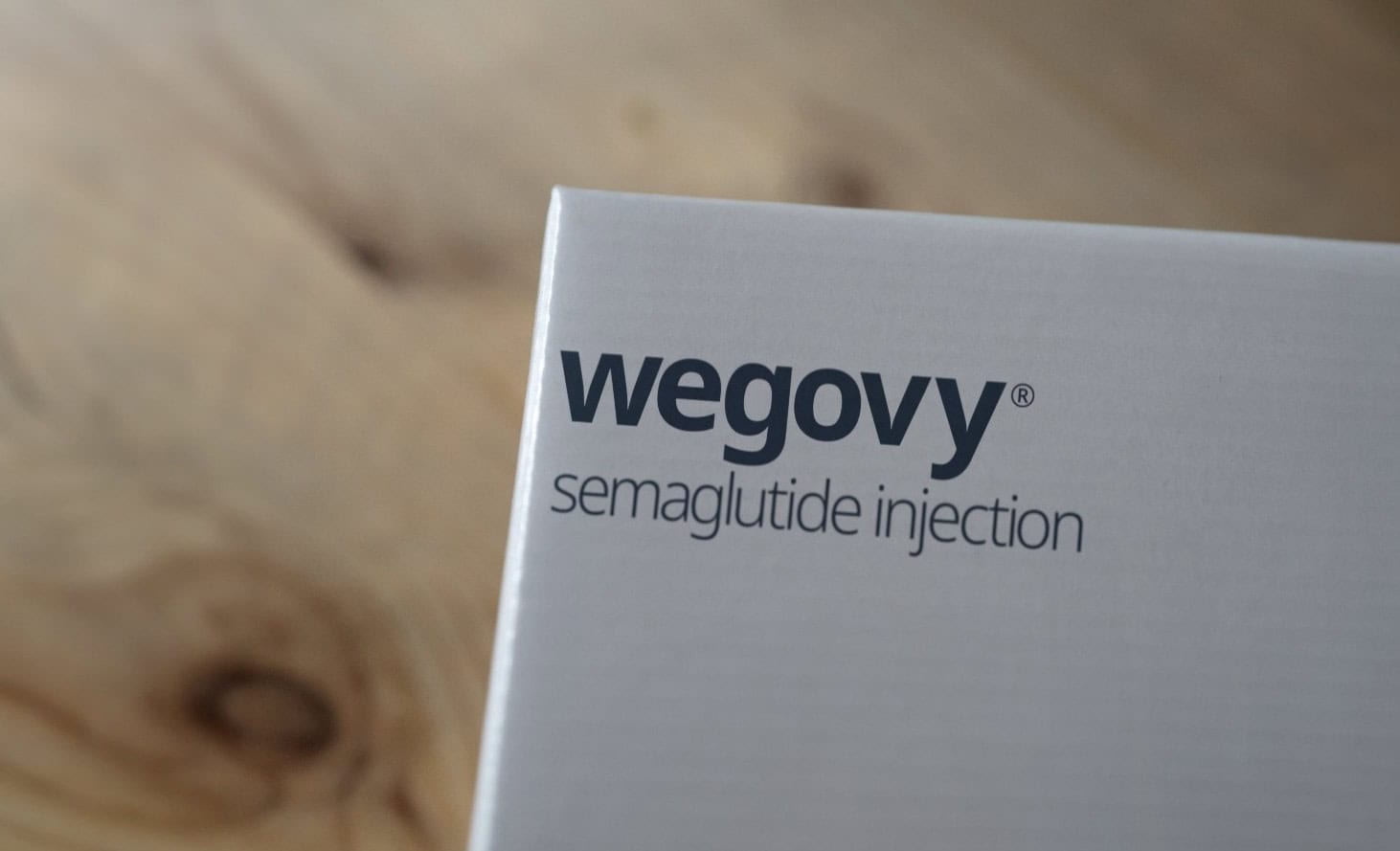
In recent years, obesity treatment has undergone a profound transformation. For a long time, options were limited to restrictive diets that were difficult to maintain, generic lifestyle advice, or bariatric surgery. Today, we are entering a new era of medical treatments based on real hormonal mechanisms that influence appetite, satiety, and metabolism. One of the best-known treatments in this category is Wegovy, currently available at a once-weekly dose of 2.4 mg.
Recently, robust scientific data have emerged regarding a higher dose of semaglutide – 7.2 mg, also administered once weekly. Although this dose is not yet widely available in clinical practice, the results are significant enough to deserve a clear, patient-focused explanation.
This article is purely informational. Its goal is to explain what Wegovy 7.2 mg is, why it was studied, what results have been observed so far, and what this option may represent in the future for people living with obesity.

Why different doses matter in obesity treatment
Obesity is not a lack of willpower, nor is it a condition that can be solved with a single diet plan. It is a complex metabolic disease influenced by genetics, hormones, environment, stress, sleep, repeated dieting, and many other factors. Because of this complexity, people respond differently to treatment.
Wegovy 2.4 mg works extremely well for many individuals. However, in real-world practice, there are people who tolerate the medication correctly, follow recommendations, and yet do not achieve the degree of weight loss needed to meaningfully improve their health. For some, a 10–12% reduction is sufficient. For others, it is not.
This raises a natural question: what options exist for those who need greater weight loss but are not candidates for, or do not wish to undergo, bariatric surgery? The answer has been explored through clinical research, including the STEP UP trial, which evaluated semaglutide at a higher dose of 7.2 mg.
Are you living in the European Union and interested in starting treatment for weight management?
Our medical team can guide you safely through every step — from eligibility assessment and prescription to ongoing monitoring and follow-up. All done via e-mail. For personalized medical advice and detailed information about how you can begin treatment for weight management within the EU, please send an email to [email protected]. We’ll be happy to provide professional guidance and help you start your therapeutic journey in a safe and efficient way.
What Wegovy actually is and how it works in the body
Wegovy contains semaglutide, a molecule that mimics the hormone GLP-1. GLP-1 is naturally produced in the gut and plays a crucial role in regulating appetite, slowing gastric emptying, increasing satiety, and influencing how the brain processes hunger and food reward.
By providing a stable, weekly signal, semaglutide helps the body move out of a state of constant hunger and food preoccupation. It does not “force” weight loss; rather, it restores more normal appetite regulation in a system where these signals are dysregulated.
Increasing the dose to 7.2 mg does not change the mechanism of action. Instead, it amplifies the effect in people who require a stronger hormonal signal to achieve clinically meaningful benefits.
What the study evaluating Wegovy 7.2 mg looked at
The STEP UP trial was a large, international, advanced-phase clinical study conducted over approximately 72 weeks. Adults with obesity, without diabetes, were randomly assigned to receive semaglutide 7.2 mg, the standard 2.4 mg dose, or placebo. All participants also received lifestyle counseling to reflect real-life conditions.
The primary goal was to assess weight loss, but researchers also evaluated several critical health markers, including waist circumference, blood pressure, inflammatory markers, lipid profile, and glucose metabolism.
Weight loss results: what the numbers really mean
The results were consistent and clinically meaningful. On average, participants receiving Wegovy 7.2 mg lost close to 19% of their initial body weight. Those on the 2.4 mg dose lost around 15–16%, while participants receiving placebo lost approximately 4%.
Beyond averages, the distribution of results is particularly important. Nearly half of those treated with the 7.2 mg dose achieved more than 20% weight loss, and roughly one third exceeded 25% weight loss. These thresholds are highly relevant from a medical standpoint, as weight reductions above 15–20% are associated with major improvements in cardiometabolic risk.
It is essential to understand that these outcomes did not occur overnight. They were achieved gradually, over more than a year, with careful dose escalation and medical supervision.
Why outcomes beyond the scale matter
An important strength of this study is that it did not focus solely on the number on the scale. Waist circumference decreased significantly more in the 7.2 mg group, suggesting a meaningful reduction in visceral fat, the type of fat most strongly linked to cardiovascular and metabolic risk.
Participants also experienced improvements in blood pressure, inflammation, and lipid levels. These changes indicate that the weight loss was metabolically meaningful, not merely cosmetic.
Effects on prediabetes and diabetes risk
One of the most valuable findings relates to glucose metabolism. Among participants who had prediabetes at the start of the study, more than 80% returned to normal glucose levels by the end of the trial. Importantly, no participants treated with the 7.2 mg dose developed diabetes during the study period.
This suggests that, when used appropriately, semaglutide may play a role not only in weight reduction but also in diabetes prevention.
Are you living in the European Union and interested in starting treatment for weight management?
Our medical team can guide you safely through every step — from eligibility assessment and prescription to ongoing monitoring and follow-up. All done via e-mail. For personalized medical advice and detailed information about how you can begin treatment for weight management within the EU, please send an email to [email protected]. We’ll be happy to provide professional guidance and help you start your therapeutic journey in a safe and efficient way.
Side effects and tolerability
As with any effective therapy, Wegovy 7.2 mg is associated with side effects. The most commonly reported were gastrointestinal, including nausea, diarrhea, vomiting, and constipation. These effects occurred primarily during dose escalation and were usually mild to moderate and temporary.
At the higher dose, a sensation known as dysaesthesia was reported more frequently. This refers to unpleasant skin sensations such as burning, tingling, or heightened sensitivity. In most cases, these symptoms resolved spontaneously, and only a small number of participants discontinued treatment because of them.
No deaths were reported, and serious adverse events were uncommon and comparable across study groups.
Is Wegovy 7.2 mg for everyone?
The answer is no. A higher dose does not automatically mean a better treatment for every person. In medicine, “more” is not always “better.”
If approved, this dose would likely be reserved for individuals who:
- have obesity,
- have already tried the standard dose,
- tolerate semaglutide well,
- but do not achieve sufficient weight loss for health improvement.
For many people, the 2.4 mg dose remains effective and appropriate. Dose selection should always be individualized and guided by medical evaluation.
What to know before searching for “the higher dose”
It is important to understand that Wegovy 7.2 mg:
- is not yet widely available,
- is not a starting dose,
- should never be used without medical supervision,
- is not a quick or “miracle” solution.
Obesity treatment requires time, monitoring, dose adjustments, and a collaborative relationship between patient and physician.
Are you living in the European Union and interested in starting treatment for weight management?
Our medical team can guide you safely through every step — from eligibility assessment and prescription to ongoing monitoring and follow-up. All done via e-mail. For personalized medical advice and detailed information about how you can begin treatment for weight management within the EU, please send an email to [email protected]. We’ll be happy to provide professional guidance and help you start your therapeutic journey in a safe and efficient way.
The key message
The emergence of data on Wegovy 7.2 mg represents an important step forward in modern obesity care. It highlights that treatment can be more effective and more personalized, based on individual response rather than a one-size-fits-all approach.
Obesity is a chronic, treatable disease. There is no single dose that fits everyone, but there are science-based options that can be tailored to real health needs.
If you are considering a treatment like Wegovy now or in the future, the most important step is a thorough medical evaluation and an open discussion about your health goals—not just the number on the scale.
Follow us on:
- FaceBook: Diabetes & Nutrition;
- YouTube: Diabetes Facts.