What Is Gastric Stasis?
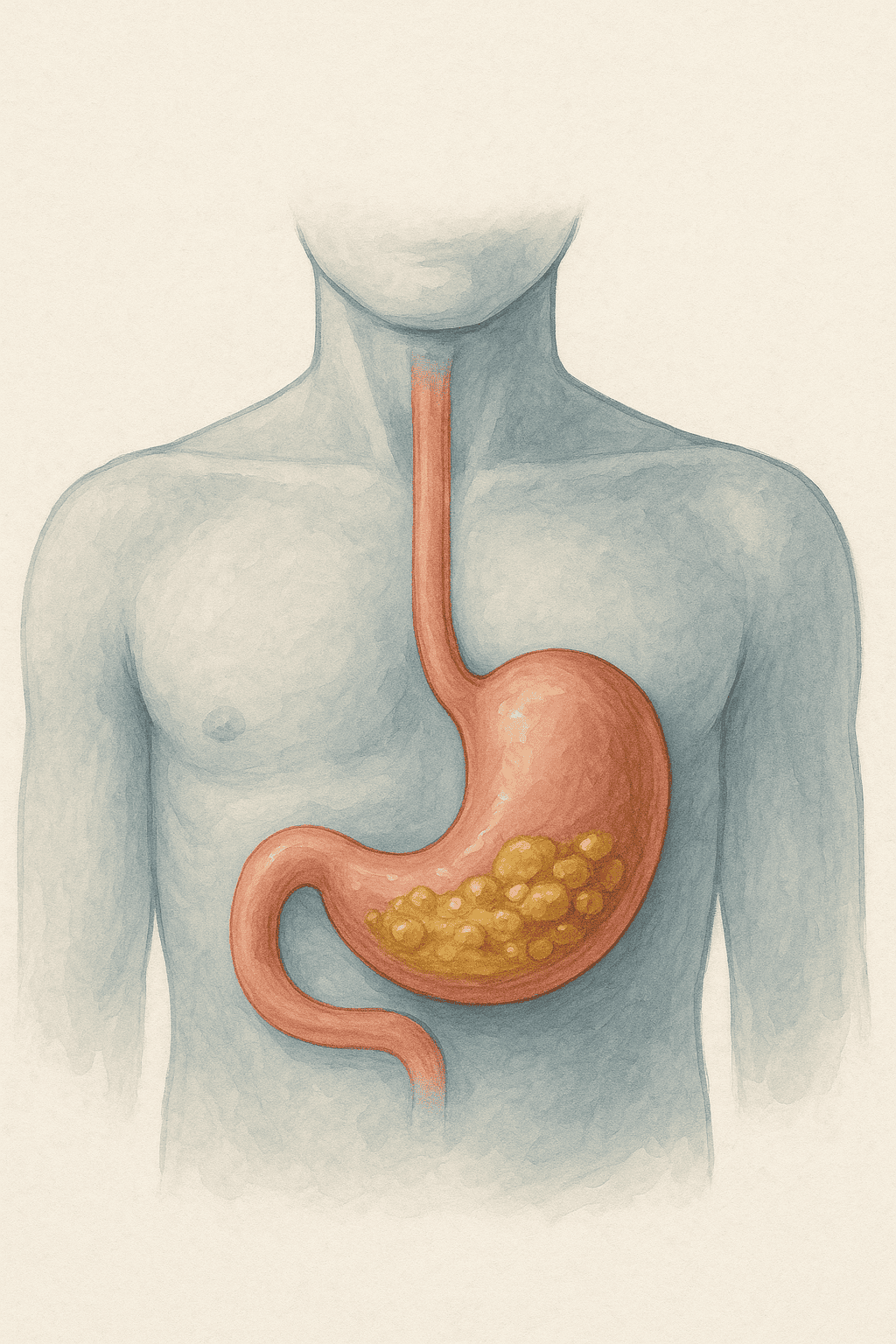
Gastric stasis is a digestive condition in which the emptying of stomach contents into the small intestine is delayed or partially blocked, without any visible mechanical obstruction. Also known as gastroparesis, the symptoms can range from mild abdominal discomfort to severe digestive issues. This condition is commonly seen in people with diabetes but can also occur in those without known health problems.

How Does the Stomach Normally Work?
Normally, the stomach receives ingested food, grinds it, mixes it with gastric juices, and gradually moves it into the small intestine. This process is regulated by nerve signals and rhythmic muscle contractions of the stomach wall. Any disruption in this mechanism can result in gastric stasis.
Passing through Romania and need a prescription for your chronic treatment?
Contact the Dr. Petrache’s Virtual Clinic for any medical issue you encounter while in Romania. Send an email to: clinica@diabet-si-nutritie.ro
What Causes Gastric Stasis?
Gastric stasis can develop from several causes. The most frequent include:
- Diabetes mellitus: High blood sugar levels damage the vagus nerve (which controls stomach emptying).
- Viral infections: Some viruses inflame stomach nerves and affect gastric motility.
- Abdominal surgeries: These can sever or damage nerves involved in digestion.
- Medications: Opioids, anticholinergics, and certain antidepressants may slow gastric emptying.
- Neurological disorders: Parkinson’s disease, multiple sclerosis, spinal cord injuries.
In some patients, no clear cause is identified, which is referred to as idiopathic gastroparesis.
What Are the Symptoms of Gastric Stasis?
Symptoms can vary in intensity and frequency, but the most common include:
- Early satiety (feeling full too soon)
- Bloating and abdominal fullness after meals
- Nausea or vomiting (sometimes with undigested food)
- Upper abdominal discomfort or pain
- Loss of appetite
- Unintentional weight loss
- Gastroesophageal reflux
Symptoms often worsen after meals rich in fat or fiber.
How Is Gastric Stasis Diagnosed?
Diagnosis is based on symptoms and further investigations such as:
- Gastric emptying scintigraphy: The gold standard, measuring how long food remains in the stomach.
- 13C breath test: A newer, non-invasive test.
- Upper GI endoscopy: Rules out mechanical obstructions.
- Abdominal ultrasound or MRI: Used to investigate secondary causes.
Blood glucose assessment is also important, as poor glycemic control can worsen gastric stasis.
What Are the Possible Complications?
If left untreated, gastric stasis can lead to:
- Malnutrition and nutrient deficiencies
- Dehydration
- Electrolyte imbalances
- Recurrent episodes of hypoglycemia or hyperglycemia (especially in diabetes)
- Formation of bezoars (solid food masses in the stomach)
These complications can severely impact quality of life and may require urgent treatment.
What Is the Link Between Gastric Stasis and Diabetes?
Diabetes is one of the most common causes of gastric stasis. Chronic hyperglycemia damages peripheral nerves, including the vagus nerve, which is essential for proper stomach function. Thus, gastric stasis is considered a form of diabetic autonomic neuropathy.
Diabetic patients may experience:
- Difficulty controlling blood sugar levels
- Sudden swings between low and high blood sugar
- Delayed absorption of rapid-acting insulin, complicating treatment
Proper diabetes management, possibly with the help of continuous glucose monitoring and diabetes specialist consultation, is essential.
How Is Gastric Stasis Treated?
Treatment focuses on relieving symptoms and addressing the underlying cause:
- Dietary changes: Small, frequent meals; avoid high-fat and high-fiber foods; use blended soups and clear liquids
- Glycemic control: Crucial in diabetic patients
- Prokinetic medications: Such as metoclopramide, domperidone, or erythromycin
- Symptomatic treatment: Antiemetics for nausea and vomiting
- Nutritional support: Enteral or parenteral nutrition in severe cases
- Advanced devices: Gastric stimulators for refractory cases
In some individuals, injectable treatments for obesity or diabetes (GLP-1 receptor agonists such as Wegovy or Mounjaro) can worsen symptoms, requiring dose adjustment or temporary discontinuation.
Can Gastric Stasis Be Prevented?
For people with diabetes, maintaining stable blood glucose levels is the most effective preventive measure. Other helpful actions include:
- Avoiding hard-to-digest foods
- Monitoring for side effects of new medications
- Maintaining regular physical activity
- Avoiding smoking and alcohol
Any new or persistent digestive symptoms should be investigated medically.
Passing through Romania and need a prescription for your chronic treatment?
Contact the Dr. Petrache’s Virtual Clinic for any medical issue you encounter while in Romania. Send an email to: clinica@diabet-si-nutritie.ro
Conclusion
Gastric stasis is a complex but manageable condition if diagnosed correctly and treated in time. It can significantly impact quality of life, but with medical support and a personalized treatment strategy, most patients can control symptoms and avoid complications.
Follow us on:
- FaceBook: Diabetes & Nutrition;
- YouTube: Diabetes Facts.