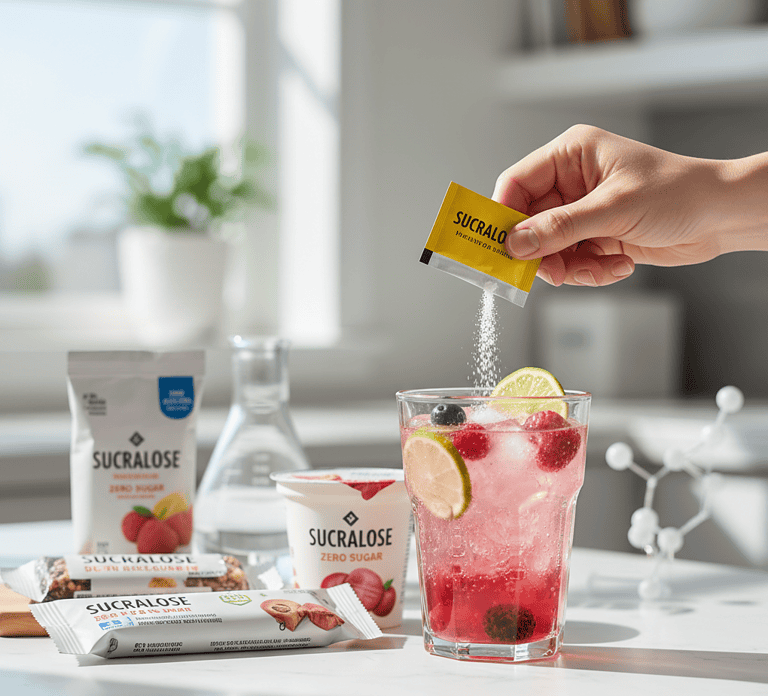
Xylitol – Everything You Need to Know
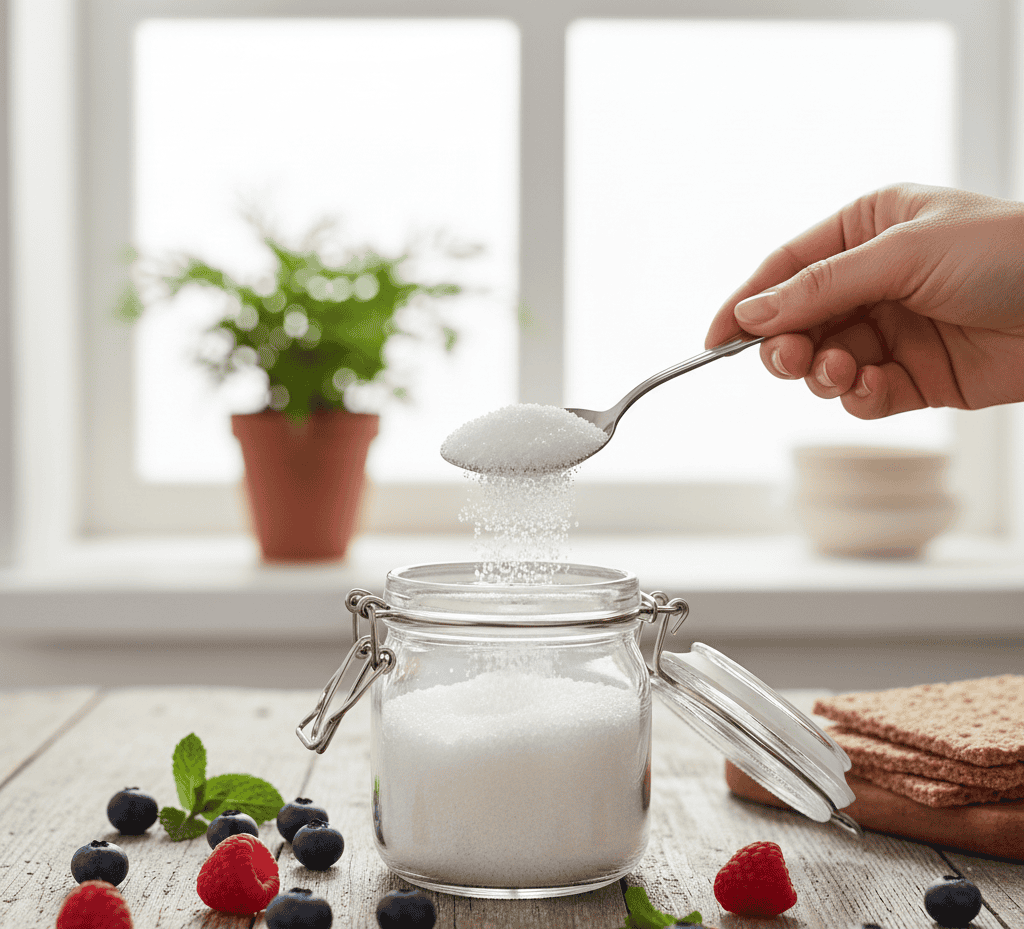

What is xylitol?
Xylitol is a natural sweetener that belongs to the class of sugar alcohols, also called polyols. It is found in small amounts in fruits, vegetables, corn, and even in the woody fibers of birch trees. Xylitol is sweet, with a taste very similar to sugar, but it contains about 40% fewer calories. Chemically, it is a pentitol, meaning an alcohol with five carbon atoms, derived from the sugar xylose.
The food industry uses xylitol widely because it has a pleasant, sugar-like taste but without the harmful effects of sugar on blood glucose and dental health. Today, it is present in diet products, sugar-free gum, candies, toothpaste, and even pharmaceutical preparations.
Foreigner In Romania and in need of a prescription for your chronic treatment?
Contact Dr. Petrache’s Virtual Clinic for any medical issue you encounter while in Romania. Send an email to: [email protected]
The history of xylitol
Xylitol was discovered at the end of the 19th century almost simultaneously by two chemists: Emil Fischer, Nobel Prize winner, and M.G. Bertrand. At first, it was mainly studied as a chemical curiosity, but during World War II it began to be produced industrially in Finland, where sugar was scarce.
In the 1970s, research on its dental benefits led to the inclusion of xylitol in chewing gum and sugar-free products. Today it is one of the most studied natural sweeteners and is approved for consumption in the European Union, the United States, and many other countries.
How xylitol is produced?
Although naturally present in some foods, the amounts are too small to extract efficiently. Commercial xylitol is therefore produced industrially, usually from corn or birch wood. The process involves extracting xylose (a simple sugar) from these plant sources, then hydrogenating it with the help of catalysts to obtain purified xylitol.
There is a myth that “birch xylitol” is healthier than “corn xylitol.” In reality, the chemical structure is identical regardless of the raw material. What matters most is the purification process, and products on the market must meet strict food safety standards.
Glycemic index of xylitol
One of the key advantages of xylitol is its low glycemic index. Sugar has a glycemic index of about 65, while xylitol’s index is only 7–13, which means it has a very small effect on blood glucose. It releases energy more slowly and does not cause sudden insulin spikes.
For people with diabetes, this is extremely important since xylitol consumption does not cause major glucose fluctuations and helps maintain better metabolic control. In addition, it does not trigger the sudden hunger often experienced after eating refined sugar.
Passing through Romania and need a prescription for your chronic treatment?
Contact Dr. Petrache’s Virtual Clinic for any medical issue you encounter while in Romania. Send an email to: [email protected]
Health benefits of xylitol
Xylitol is more than just a lower-calorie sweetener; it also has well-documented health benefits:
- Dental protection – perhaps its best-known effect. Xylitol inhibits the growth of bacteria such as Streptococcus mutans, reducing dental plaque and acidity. This is why it is found in gum, mints, and toothpaste.
- Low glycemic index – an important advantage for people with diabetes and those following low-carb or keto diets.
- Fewer calories – xylitol provides 2.4 calories per gram, compared with 4 calories in sugar, making it useful for weight management.
- Improved satiety – since it is absorbed more slowly, it can help reduce appetite and overeating.
- Ear and respiratory health – studies suggest xylitol may reduce the risk of middle ear infections and respiratory infections, especially in children.
- Gut microbiota support – undigested xylitol that reaches the colon can be fermented by beneficial bacteria, contributing to microbiota diversity.
Xylitol and diabetes
For diabetic patients, xylitol can be a valuable sugar substitute. Not only does it have a low glycemic index, but it also tastes very similar to sugar, making it easy to accept in desserts, drinks, or other recipes.
Using xylitol reduces total carbohydrate intake, helping to prevent postprandial hyperglycemia. Some studies even suggest that xylitol may improve insulin sensitivity, though more research is needed. Importantly, it does not cause hypoglycemia when consumed on its own.
Side effects and precautions
While considered safe, xylitol can have side effects if consumed in large quantities. The most common are digestive issues such as bloating, gas, and diarrhea. This occurs because part of the xylitol is not fully absorbed in the small intestine and reaches the colon, where bacteria ferment it.
Tolerance varies, but most adults can consume 30–40 g per day without issues. Introducing xylitol gradually into the diet helps reduce side effects.
A crucial warning is that xylitol is extremely toxic to dogs and other pets. Even small amounts can cause severe hypoglycemia, seizures, and liver failure in dogs. Therefore, all xylitol-containing products must be kept far away from animals.
How to use xylitol in food
Xylitol is available as powder, granules, or crystals and can be used almost like sugar. It dissolves well in liquids and can be added to coffee, tea, yogurt, smoothies, or creams. It is also used in baking, for cookies, cakes, or frostings, although it does not caramelize like sugar and may affect texture in some recipes.
Xylitol is about 70% as sweet as sugar, meaning slightly larger amounts are needed to achieve the same taste. For diet-friendly recipes, it can be combined with other sweeteners like stevia or erythritol to reduce digestive discomfort and improve texture.
It is heat-stable, making it suitable for baking, but it won’t provide the same caramelization or crystallization as sugar.
Comparing xylitol with other sweeteners
- Versus sugar – fewer calories, lower glycemic index, and dental protection, compared with sugar’s negative effects.
- Versus stevia/steviol – stevia has no calories and is much sweeter but may leave a bitter aftertaste. Xylitol tastes closer to sugar but has some calories.
- Versus erythritol – erythritol has almost zero calories and better digestive tolerance but is less sweet. Xylitol is more sugar-like in taste.
- Versus maltitol – maltitol has a higher glycemic index and can raise blood sugar more than xylitol.
Long-term safety
The European Food Safety Authority (EFSA) and the U.S. Food and Drug Administration (FDA) both approve xylitol as safe for human consumption. There is no evidence of long-term adverse effects when consumed within normal dietary amounts.
Although there is no official acceptable daily intake (ADI), it is considered safe up to the levels typically consumed in food. As with any sweetener, moderation is important, since a balanced diet remains the foundation of health.
Myths and facts about xylitol
- “Xylitol is 100% natural” – while it occurs naturally, commercial xylitol is produced industrially. This does not make it unsafe.
- “Xylitol has no calories” – false, it has about 2.4 calories per gram.
- “Birch xylitol is healthier than corn xylitol” – chemically they are identical.
- “Xylitol has no side effects” – excessive consumption can cause bloating or diarrhea.
Tourist in Romania and in need of a prescription for your chronic treatment?
Contact Dr. Petrache’s Virtual Clinic for any medical issue you encounter while in Romania. Send an email to: [email protected]
Conclusions
Xylitol is a valuable sweetener, with a sugar-like taste but superior health benefits. It has a low glycemic index, protects dental health, contains fewer calories, and is safe for people with diabetes or those who want to reduce sugar intake. However, it should be consumed in moderation to avoid digestive discomfort, and products containing xylitol must be kept away from pets.
In a world where sugar is a major risk factor for obesity, diabetes, and cardiovascular disease, xylitol offers a smart and practical alternative. Combined with a balanced diet and healthy lifestyle, it contributes to better health and optimal weight management.
Follow us on:
- FaceBook: Diabetes & Nutrition;
- YouTube: Diabetes Facts.